
Clinical Documentation
Athletic Training SOAP Notes (with Examples)
An athlete walks into the training room with ankle pain just as practice begins. Another needs a rehabilitation check, while...
Clinical resources
Clinical documentation guides, AI scribe resources, and medical documentation examples.
An athlete walks into the training room with ankle pain just as practice begins. Another needs a rehabilitation check, while...
An OB-GYN visit can involve more than the main concern listed on the schedule. A routine prenatal check may reveal...
A patient may come in because their partner hears loud snoring. Another may report morning headaches, poor focus, or feeling...
Digestive symptoms can be hard for patients to explain and challenging for clinicians to sort out. A patient may describe...
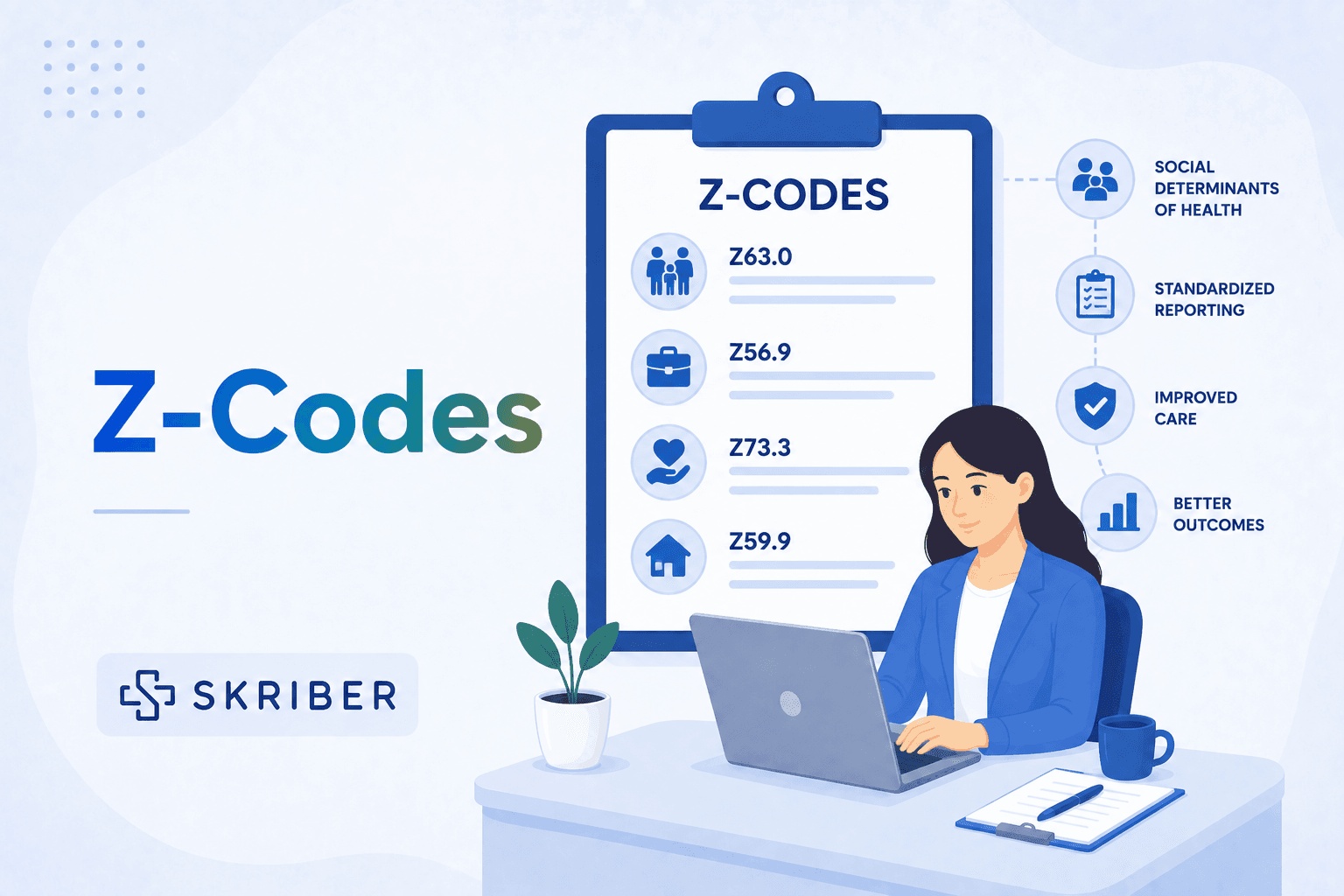
What Are Z-Codes and Why Do They Matter? Z-codes are a special group of diagnosis codes found in the ICD-10-CM...
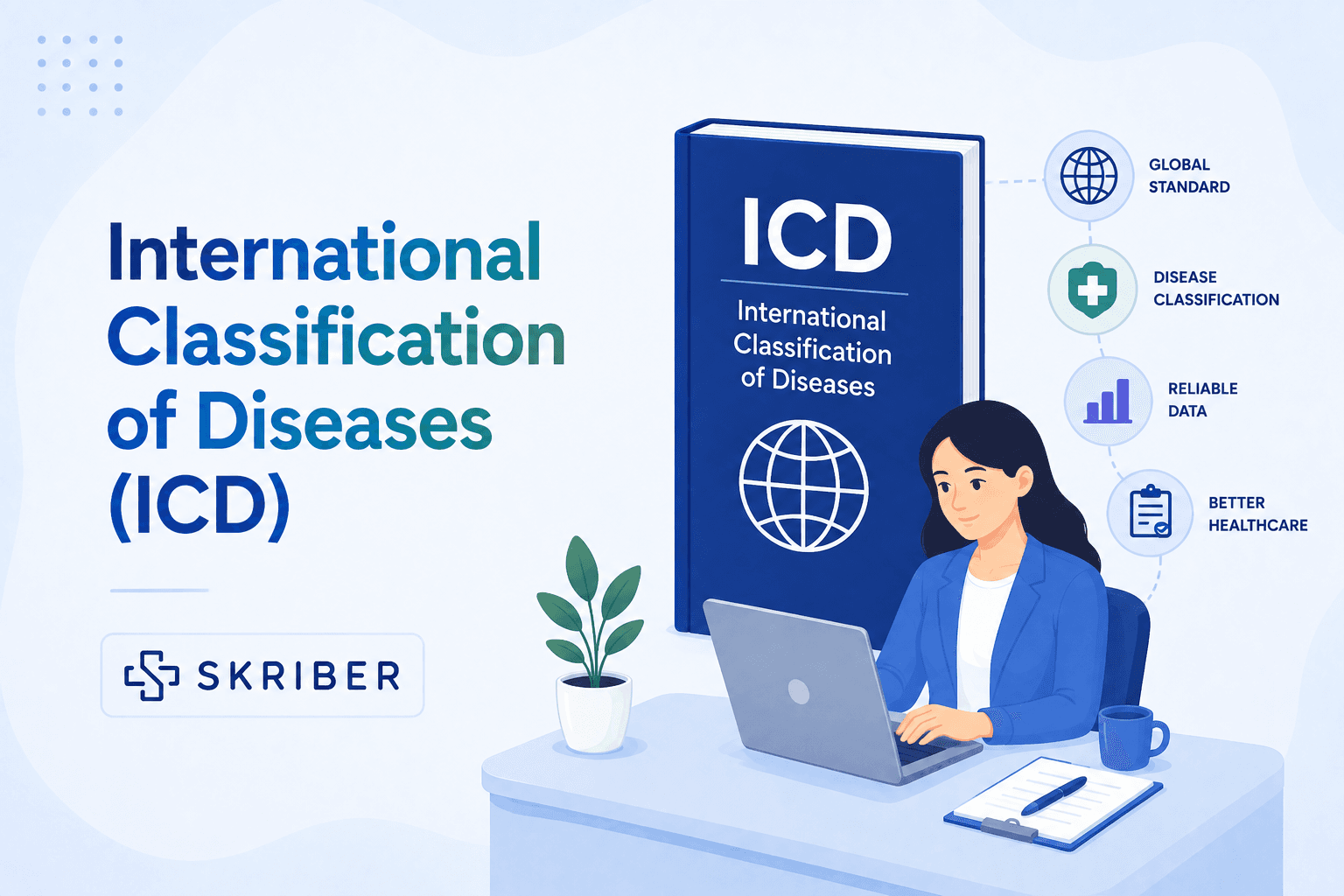
The International Classification of Diseases, or ICD for short, is a system that gives every disease, injury, and health condition...
What Is the DSM-5? The Diagnostic and Statistical Manual of Mental Disorders, Fifth Edition (DSM-5) is the main guide that mental...
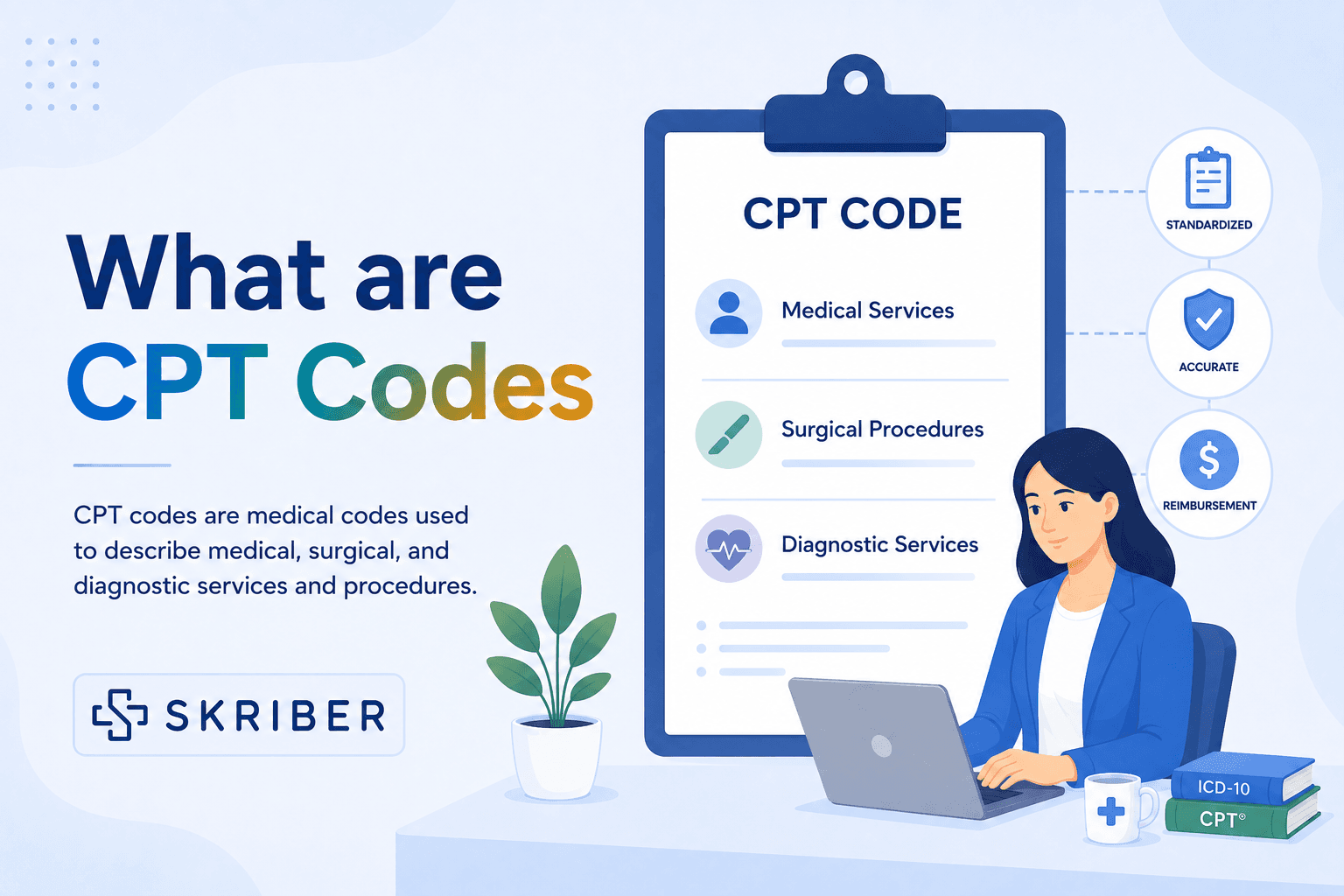
If you work in healthcare, you have probably heard the term “CPT code” many times. But what exactly are these...
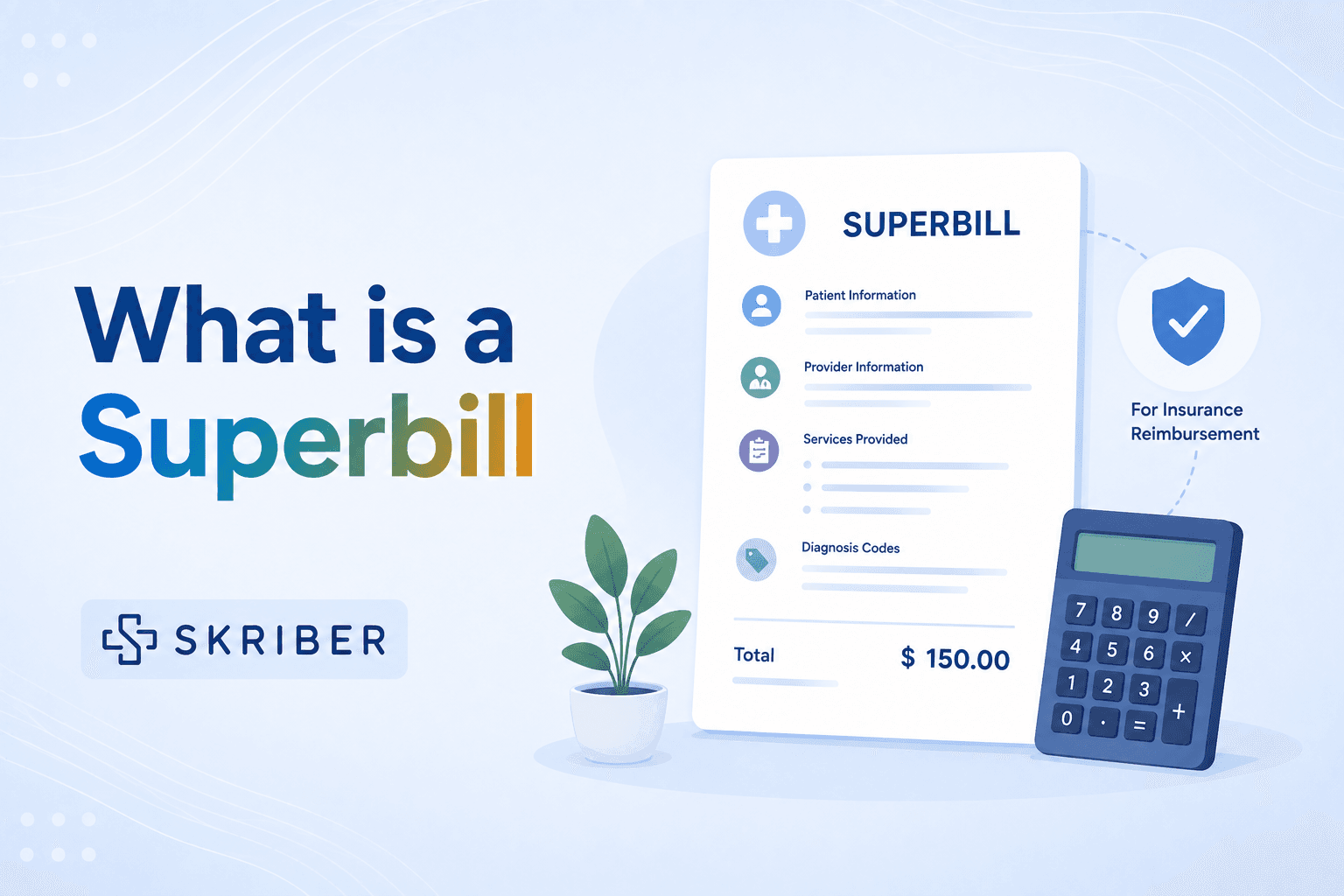
What Exactly Is a Superbill? A superbill is a detailed, itemized document that healthcare providers give to patients after a...
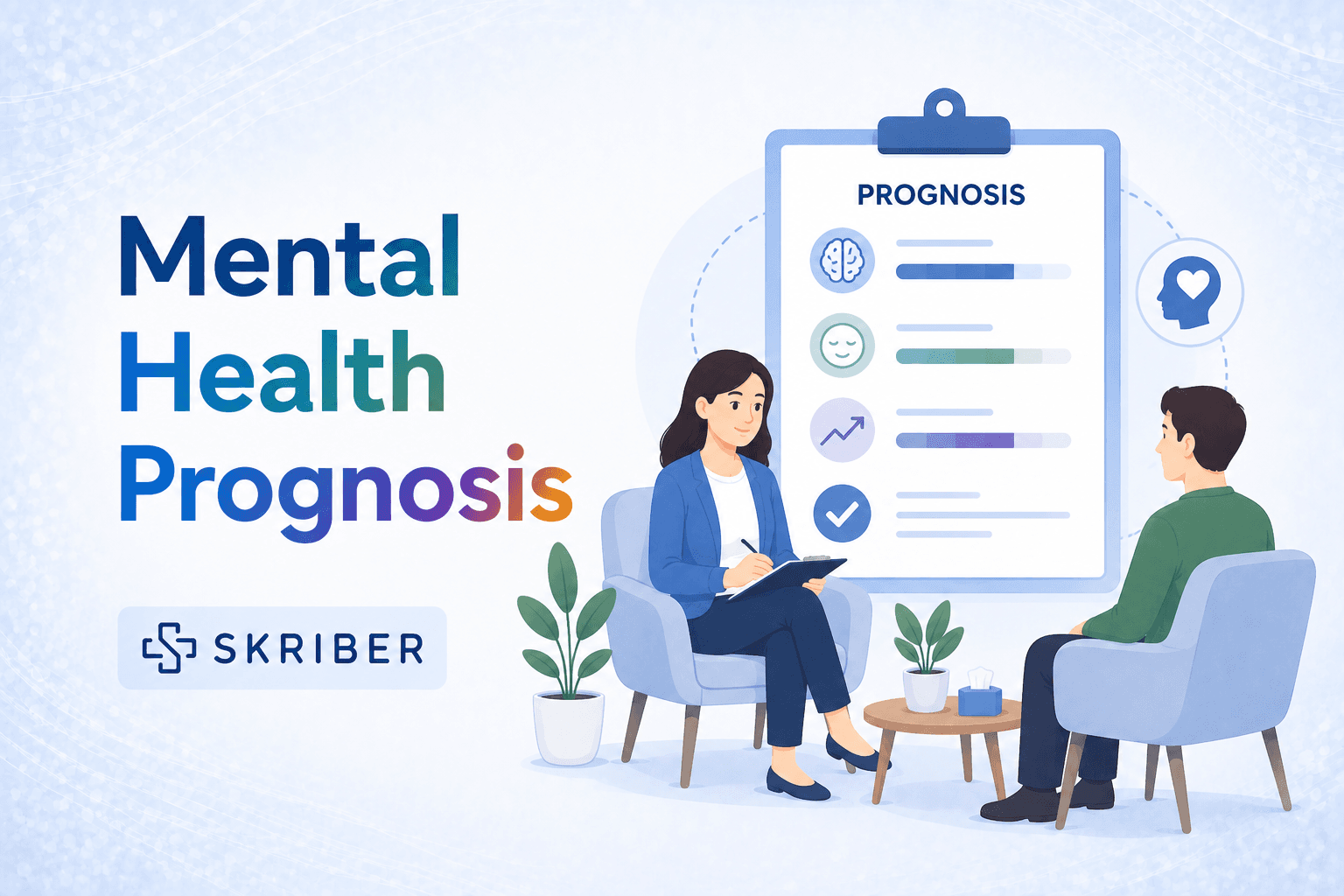
When a person walks into a mental health professional’s office, they often carry one big question in their heart: “Will...
Let’s start with the basics. A Medication Administration Record, or MAR for short, is one of the most important documents...
Clinical documentation is the backbone of safe and effective healthcare. As clinicians, we spend a significant amount of time writing...
Running a private practice is hard work. You have patients to see, notes to write, bills to send, and insurance...
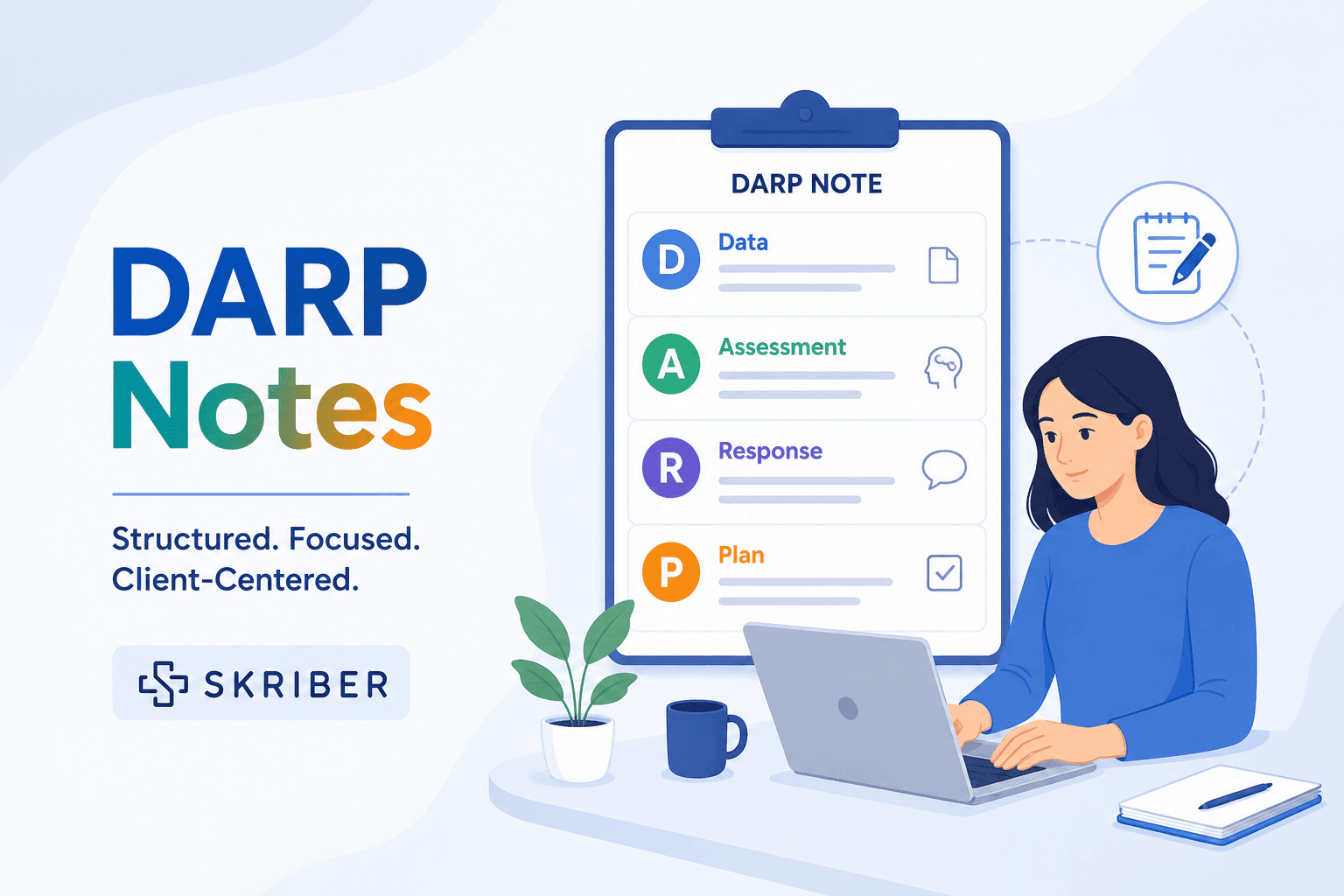
If you work in healthcare, counseling, or any field where you need to keep records of client interactions, you have...
Medical necessity is one of the most important concepts in healthcare. It decides whether a health insurance company will pay...
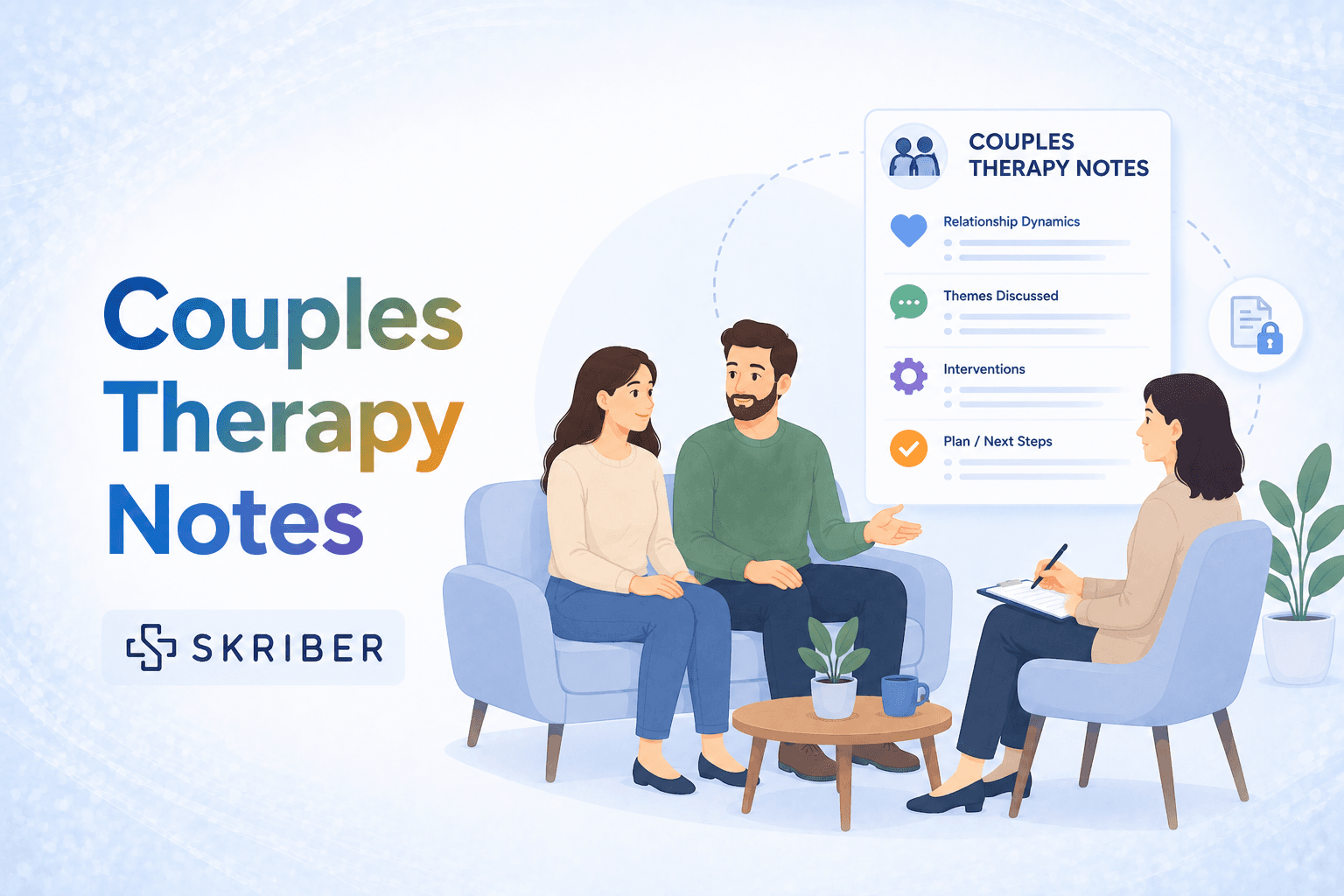
Couples therapy notes are written records that therapists create after each session with a couple. These notes are important for...
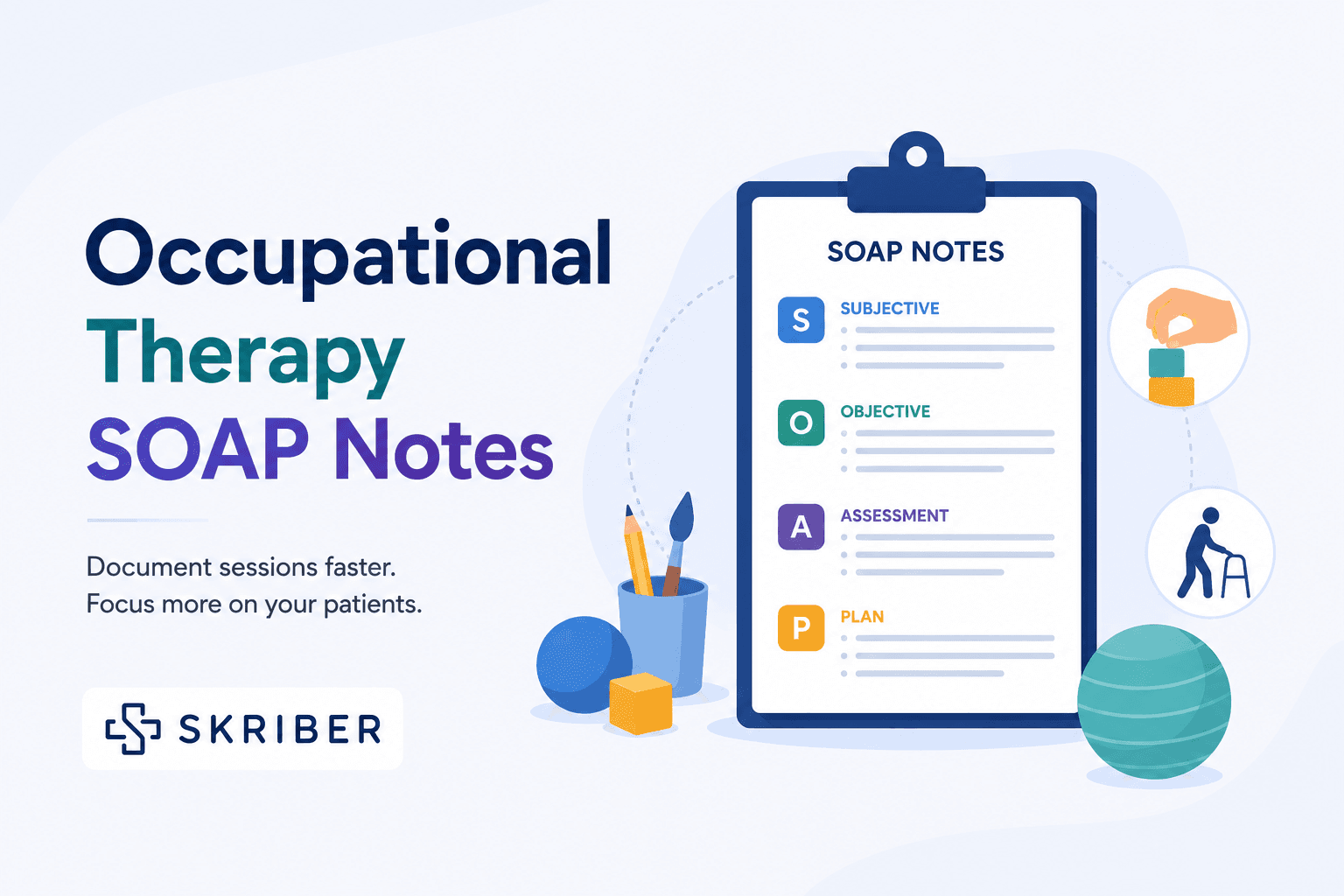
If you are an OT student or new practitioner, you already know that our job is about helping people do...
Many mental health professionals worry about receiving a subpoena for their records. One of the most common questions is: Can psychotherapy...
Psychotherapy notes are some of the most private records in mental health care. They often contain a therapist’s personal observations,...
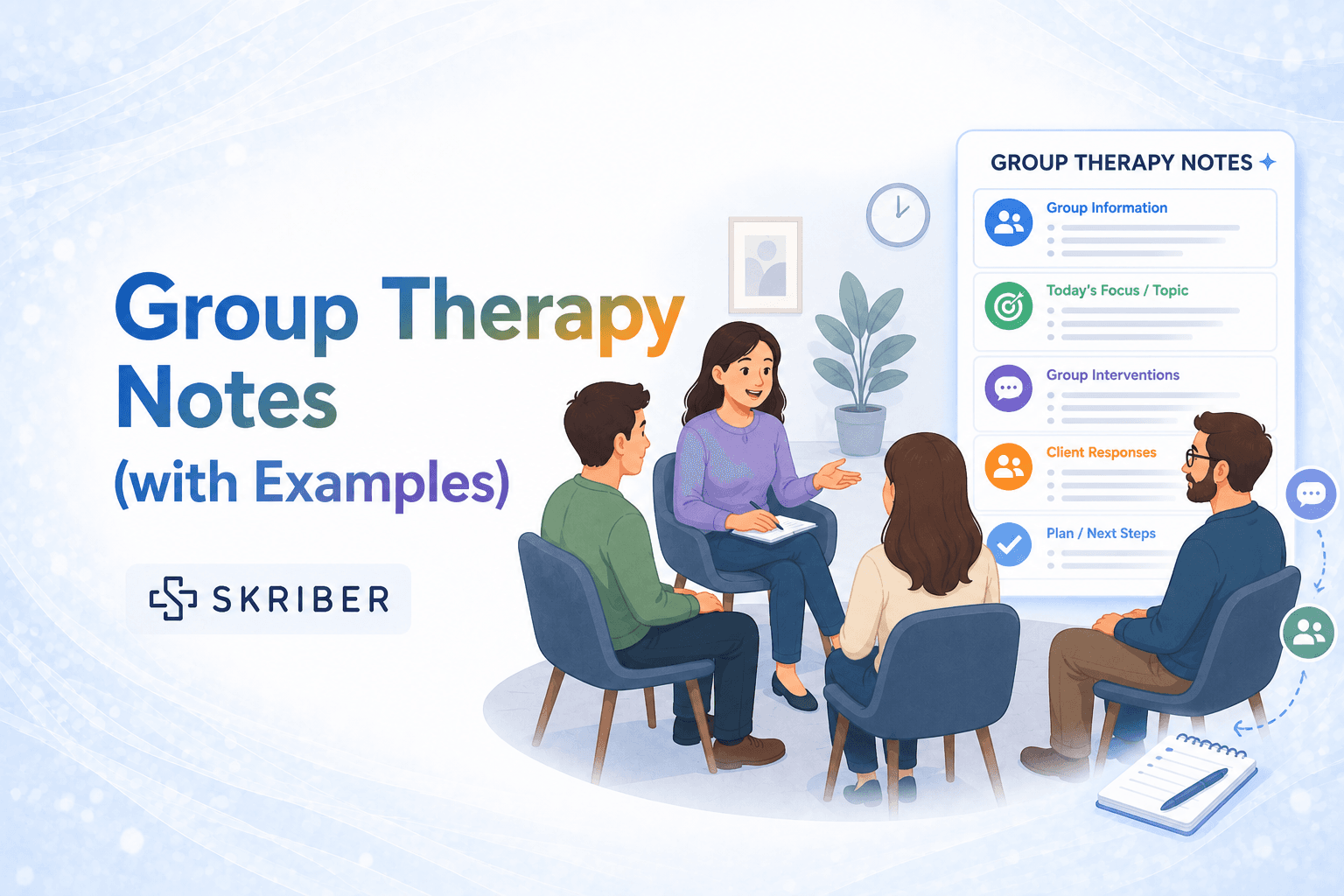
Group therapy is a powerful way to help people heal. One therapist can help many clients at once. This makes...
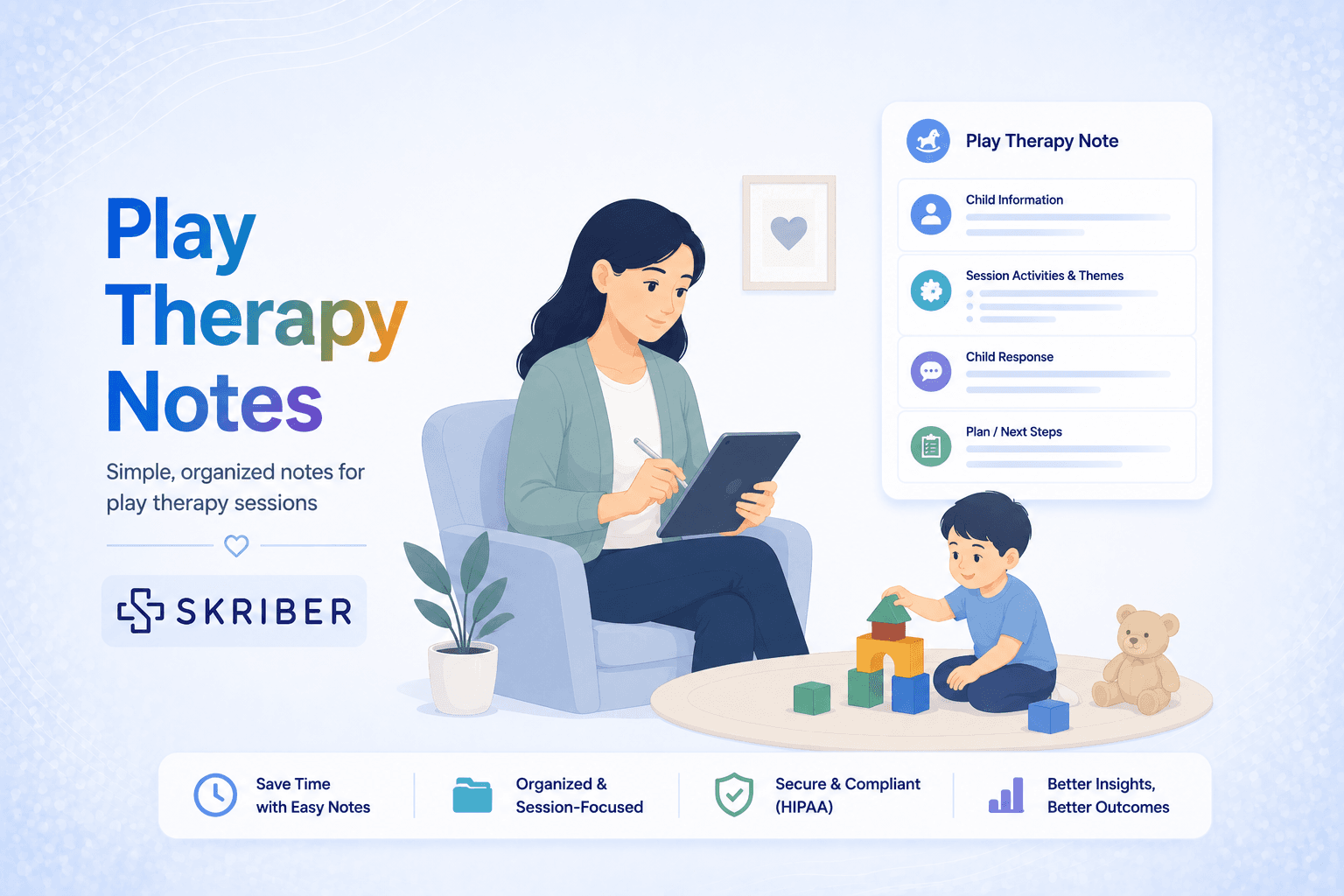
If you are a play therapist, you already know that your job is special. You work with children in a...
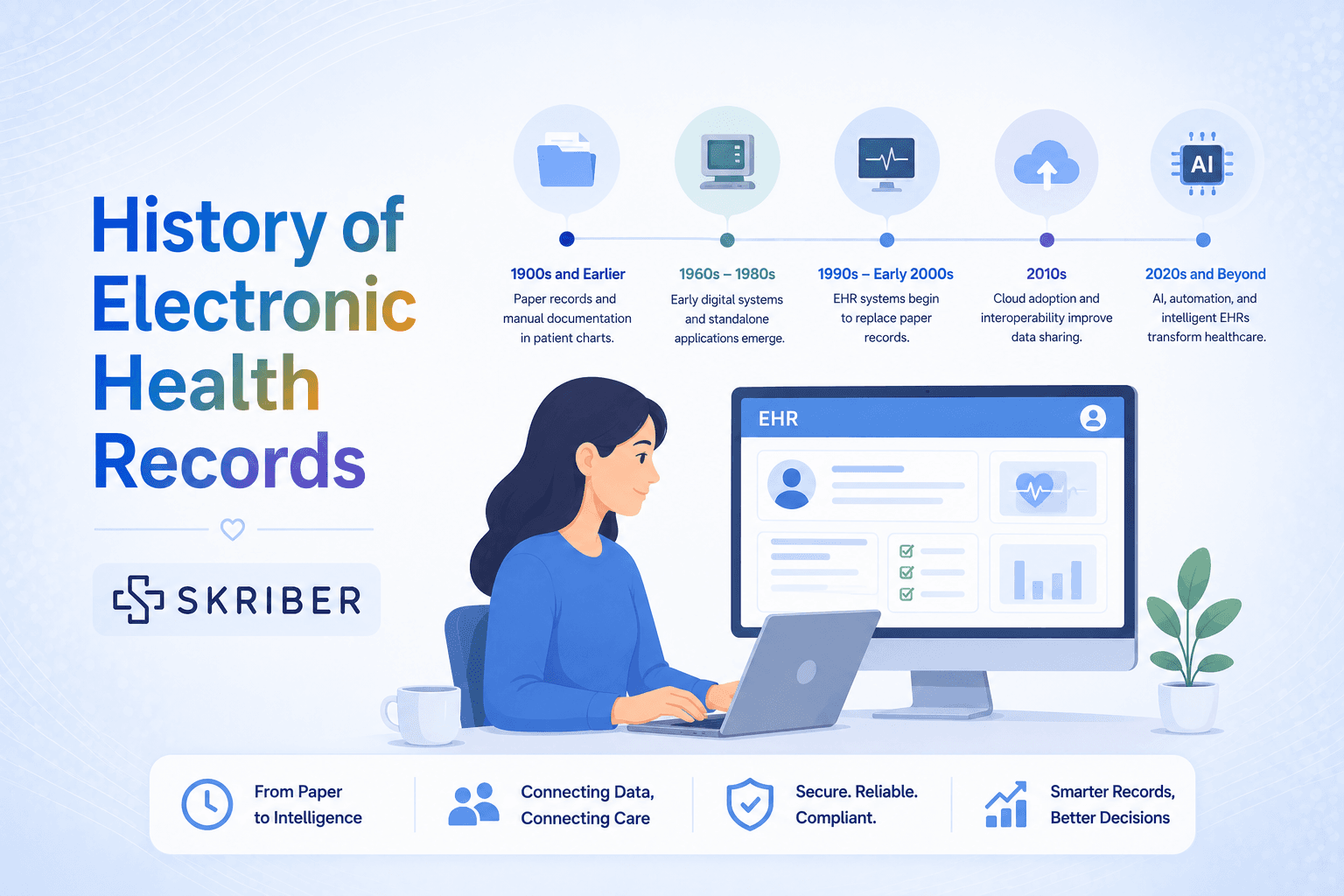
From Paper Charts to Digital Medicine, A Journey Through Time Medical records have come a long way. For thousands of...
Therapy is rewarding work, but the paperwork is a lot. Progress notes, treatment plans, and client records can steal hours...
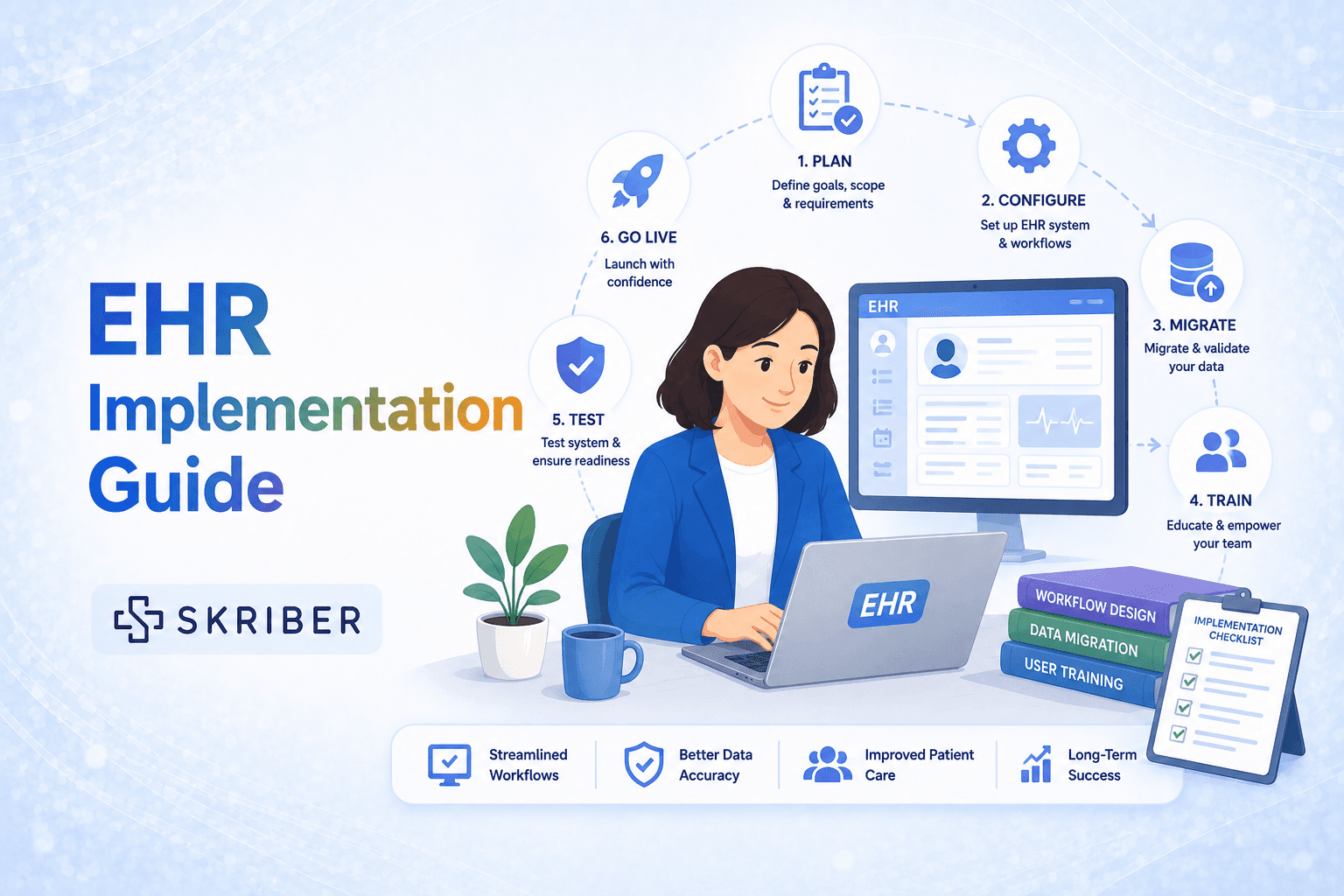
An EHR (Electronic Health Record) is a digital version of a patient’s paper chart. It holds medical history, test results,...
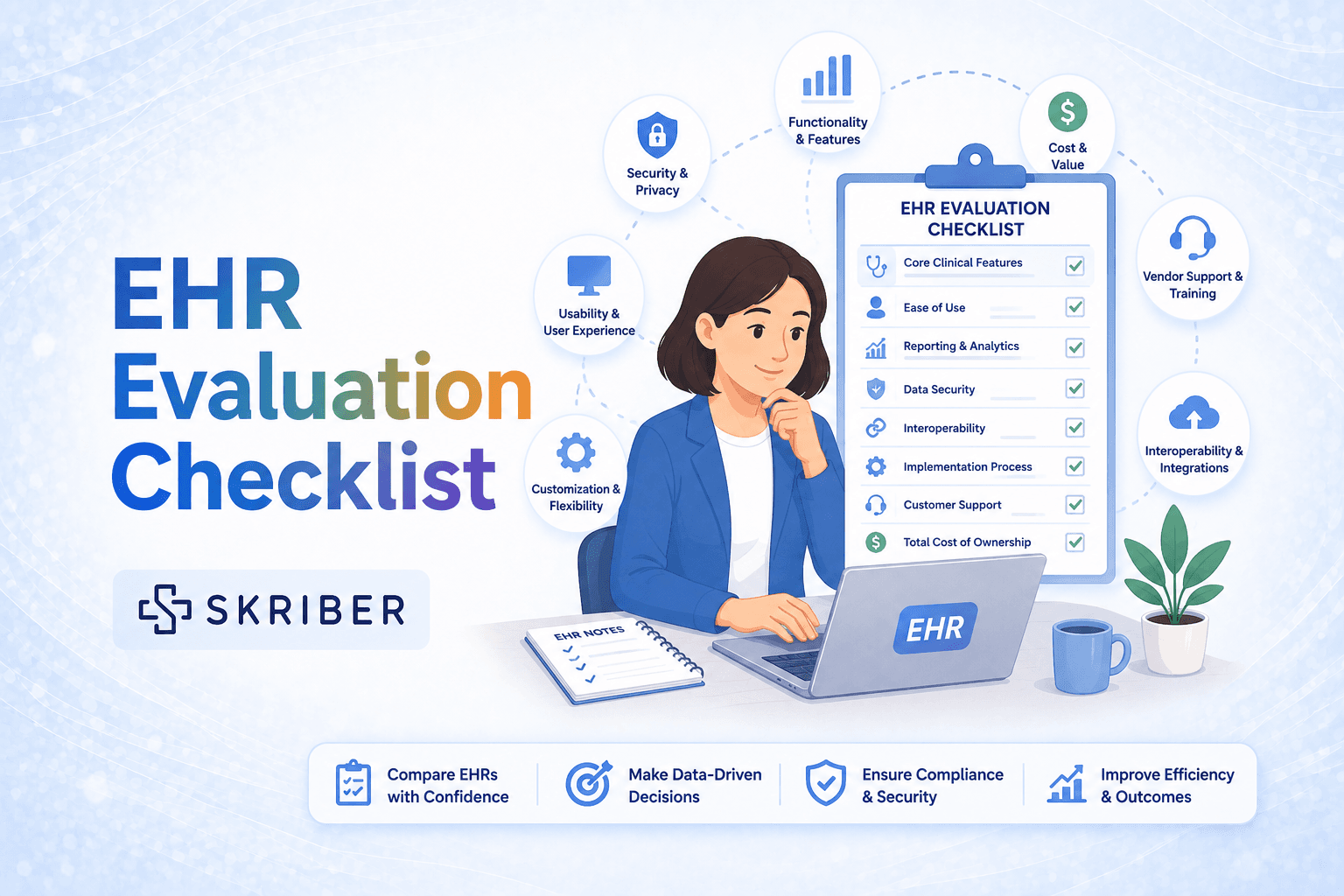
If you work in a doctor’s office, a clinic, or a hospital, you already know how important health records are....
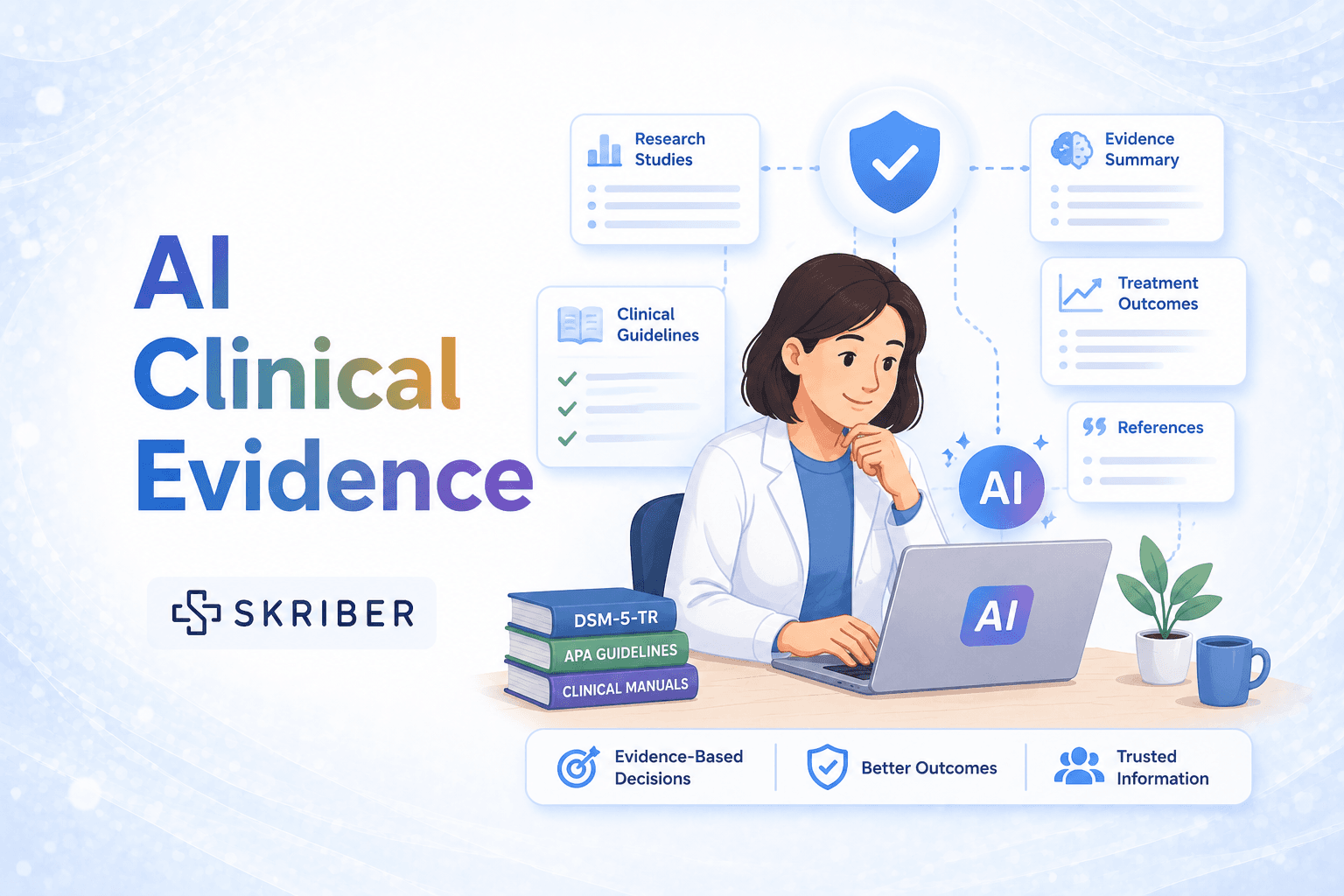
Clinical evidence is the foundation of modern healthcare. Every diagnosis, treatment plan, medication, therapy intervention, and patient care decision should...
If you are a therapist, psychiatrist, doctor, or nurse, you know how much time writing notes takes. You likely spend hours every week typing what happened in each session. This...
As a professional in Applied Behavior Analysis (ABA), you know that writing session notes is an important part of the job. But let's be real, it's often the part you dread the m...
Clinical documentation is one of the biggest challenges in modern healthcare. Therapists, psychiatrists, psychologists, physicians, nurses, counselors, social workers, and many...
Healthcare professionals spend a huge amount of time writing notes. Therapists finish sessions and still need to complete progress notes. Doctors see patients all day and then s...
When a patient comes to see us, we check their blood pressure and listen to their heart. But we also need to check their mind. The Mental Status Exam (MSE) is our tool for that....
We see patients every day who feel worried all the time. They cannot seem to turn off their anxious thoughts. This is different from normal stress before a test or a big meeting...
If you have ever felt confused about the difference between psychotherapy notes and progress notes, you are not alone. Many therapists, counselors, social workers, and psychiatr...
Let’s be honest. Nobody went to medical school because they loved writing notes. You went to school to help people feel better. But here we are, spending hours in front of a com...
Let’s be honest. You did not become a nurse, therapist, doctor, or counselor because you love paperwork. You became a healer because you want to help people. But good notes are...
As a healthcare professional, you write notes every day. These notes tell the story of your patient's care. Good notes help other doctors understand what happened. Bad notes can...
Falls are a big problem in healthcare. Many patients, especially older adults, fall at home or in hospitals. When a patient has a history of falls, it changes how you take care...
You have seen the term "Reactive Airway Disease" or RAD on patient charts many times. It is a common phrase used when a patient has wheezing, coughing, or trouble breathing. But...
Why This Code Matters in Your Daily Practice As a healthcare professional, you know that coding is not just about billing. It is about telling a clear story of your patient’s he...
Why Getting This Code Right Matters More Than You Think As healthcare professionals, we know that heart failure is not a single disease. It is a complex syndrome with different...
You see patients with leg pain every day. They tell you about a burning feeling that starts in their low back and shoots down to their foot. You know this is lumbar radiculopath...
You see shortness of breath every day. It is one of the most common reasons patients come to the ER, the clinic, or the hospital floor. But when you sit down to bill for that vi...
What Is Hypokalemia? Hypokalemia is a medical term that means your patient has too little potassium in their blood. Potassium is a mineral that helps muscles work, nerves send s...
For medical coders, gastroenterologists, and primary care providers, few ICD-10 codes appear as frequently, or cause as much confusion, as K52.9. Officially labeled "Noninfectiv...
If you work in a clinic, a hospital, or even a home health agency, you spend more time with your computer than you do with some of your family members. That glowing screen holds...
If you work in healthcare, whether you are a doctor, a nurse, a medical assistant, or someone at the front desk, you spend a huge part of your day with an Electronic Health Reco...
As healthcare professionals healthcare, we spend years learning about nerves, muscles, and how the body talks to itself. We learn to spot the signs of trouble. But when it comes...
Have you ever looked at a lab report and seen high liver enzyme numbers? Your first thought might be "something is wrong with this patient's liver." But what exactly is it? This...
What Is a Source-Oriented Medical Record? A Source-Oriented Medical Record (SOMR) is a way to organize a patient’s medical information. In this system, each healthcare departmen...
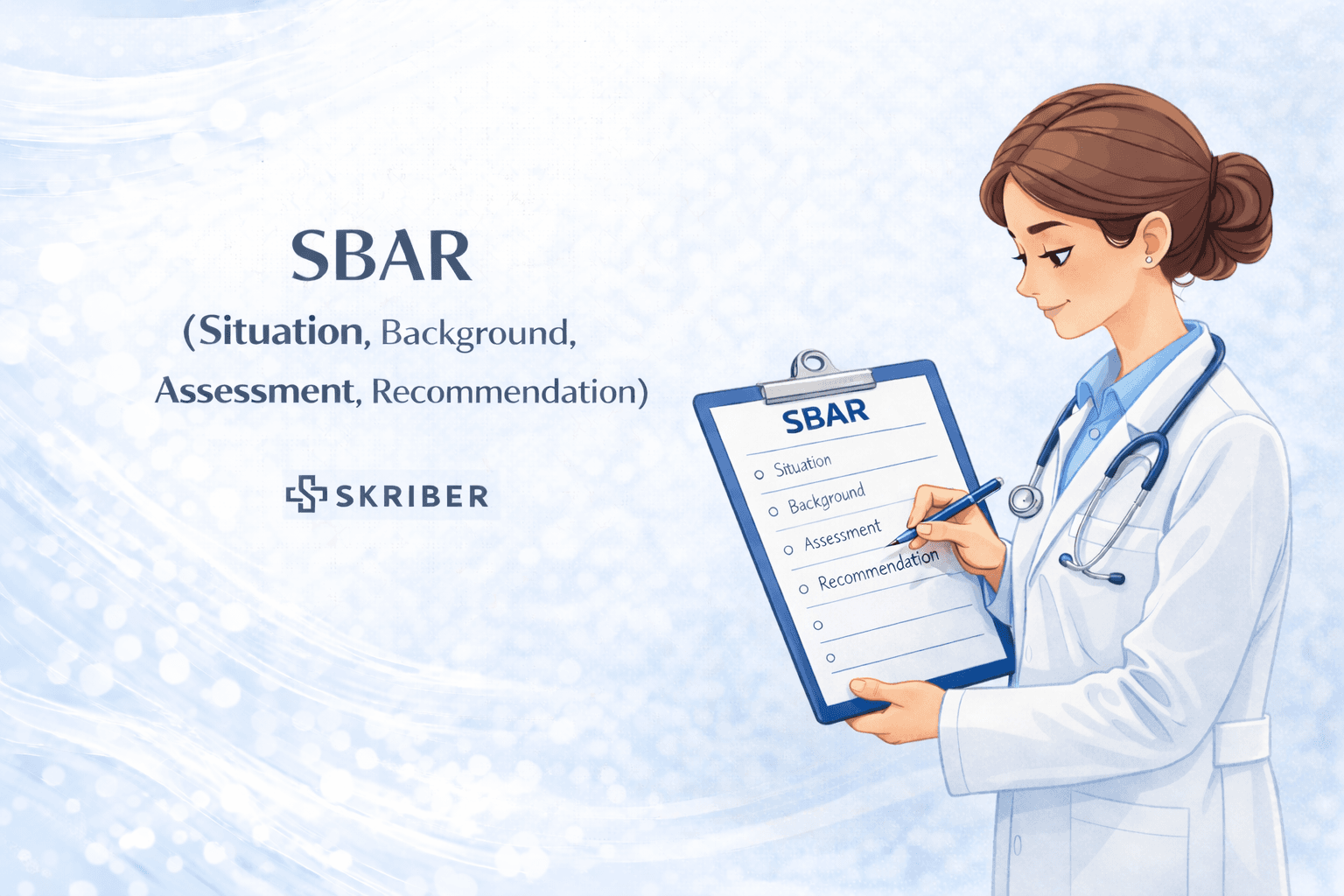
If you work in healthcare, you know how scary it can be to share important news about a patient. What if you forget something? What if the doctor does not listen? What if a mist...
If you work in healthcare or are studying to be a doctor, nurse, or medical assistant, you know one thing for sure: keeping good records is very important. But not all records a...
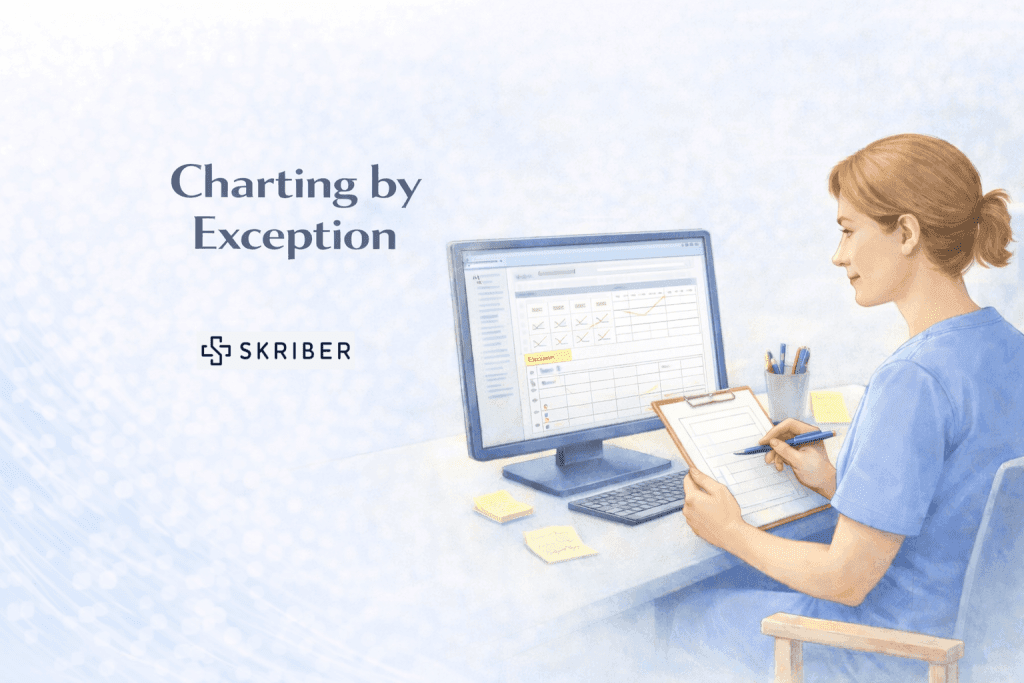
If you have been a nurse for even one shift, you know this truth: charting takes forever. You finish giving medications, answering call lights, and comforting a worried family....
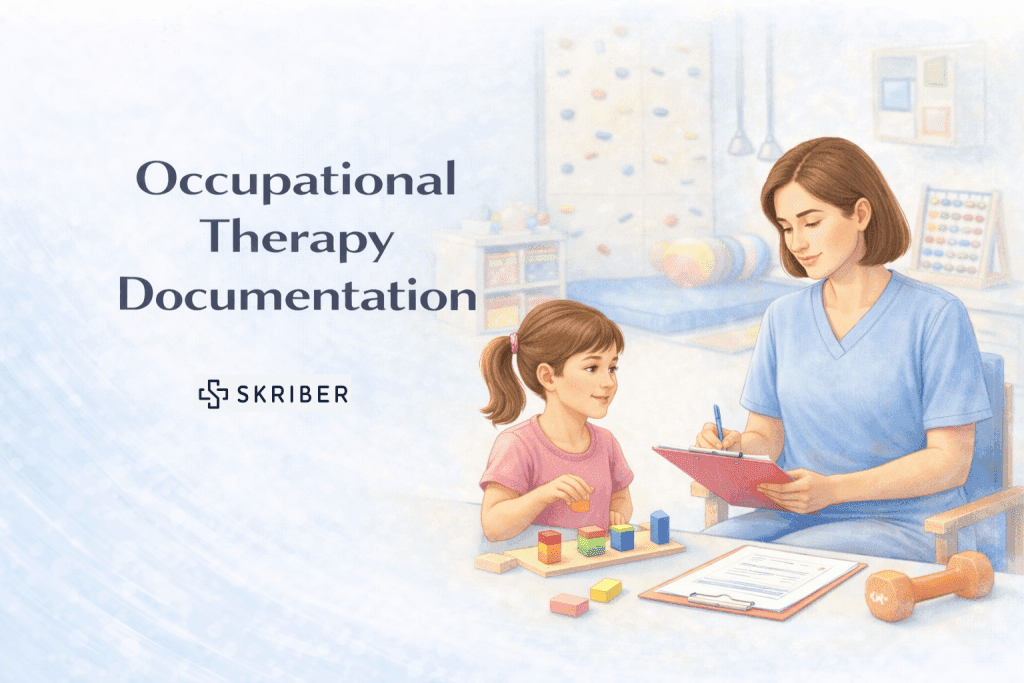
As an occupational therapist, you help people do the things they want and need to do every day. But after you finish helping a child tie their shoes or teaching an older adult h...
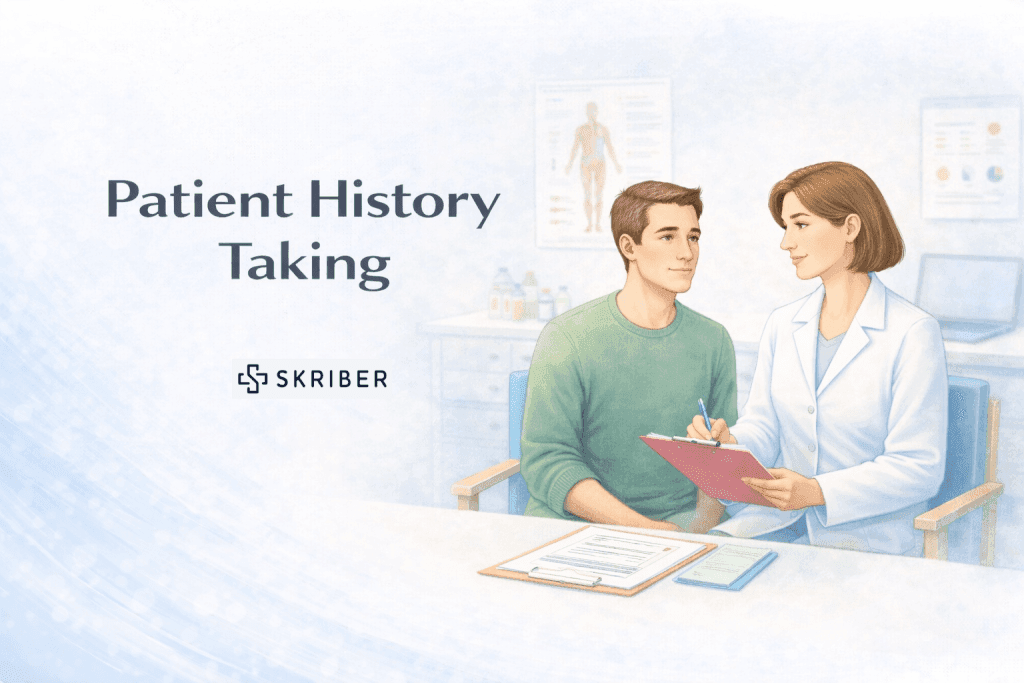
As a clinician with years of experience, I can tell you that the most powerful tool I own is not a fancy machine or a sharp scalpel. It is a simple, ancient skill: asking questi...
As a nurse, your hands do a thousand things in a shift. You start IVs, you hold a patient’s hand, you give medications, and you answer call lights. But one of the most important...
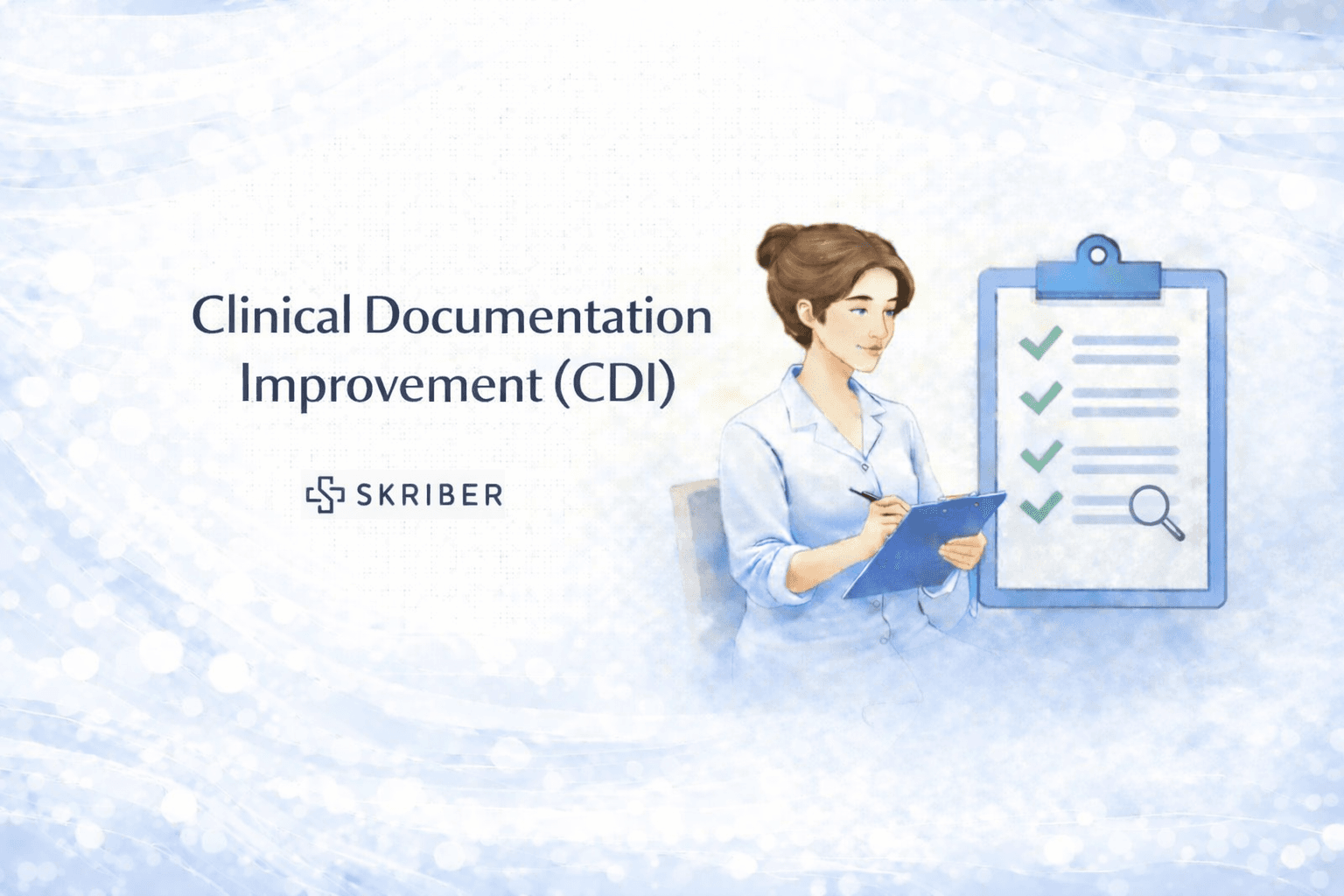
Let’s be honest for a moment. When was the last time you finished a patient encounter and felt a deep sense of satisfaction from writing the note? For most of us, the note is th...
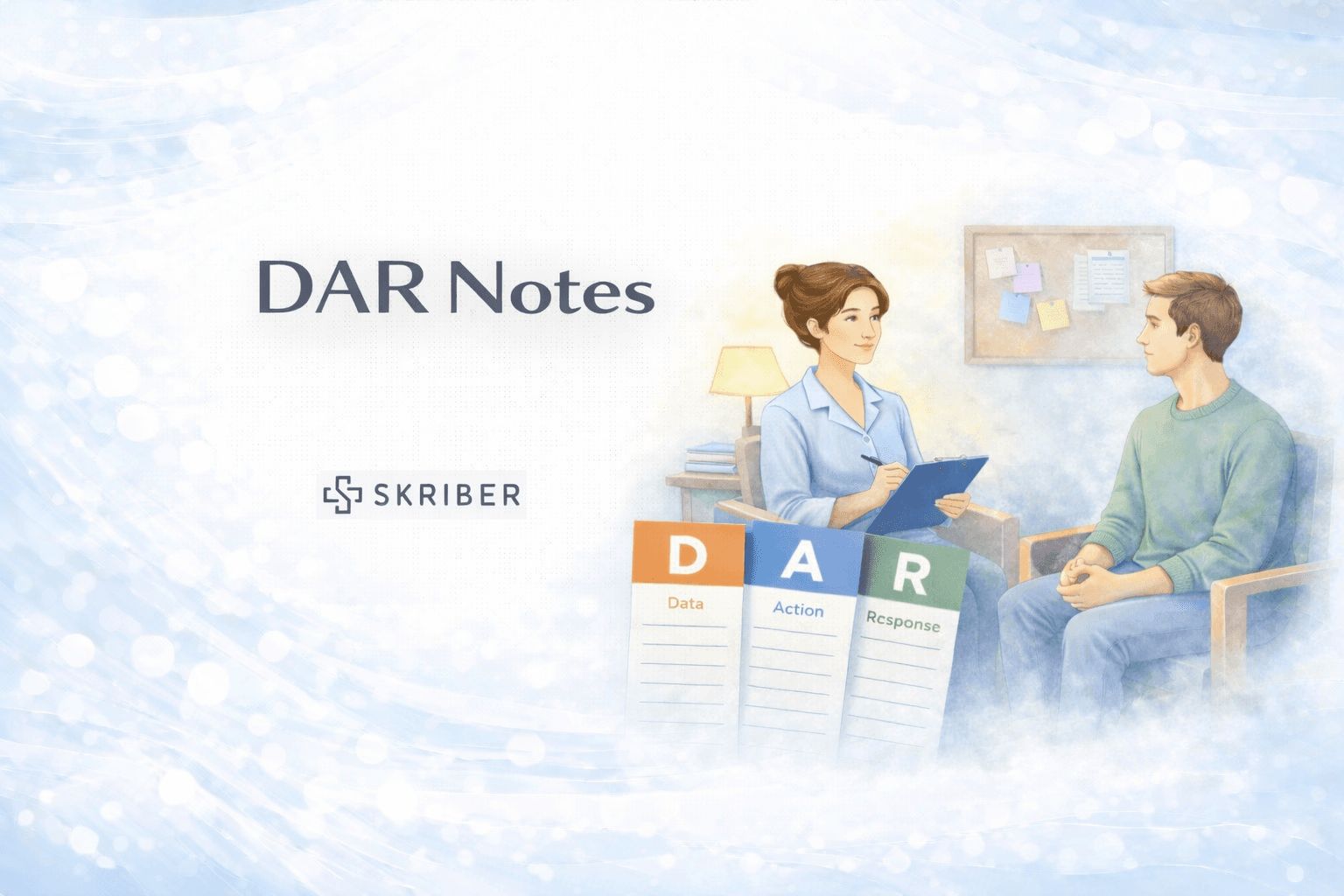
If you are a new nurse or a nursing student, you have probably heard the words “charting” or “documentation” more times than you can count. Your instructors say it. Your precept...
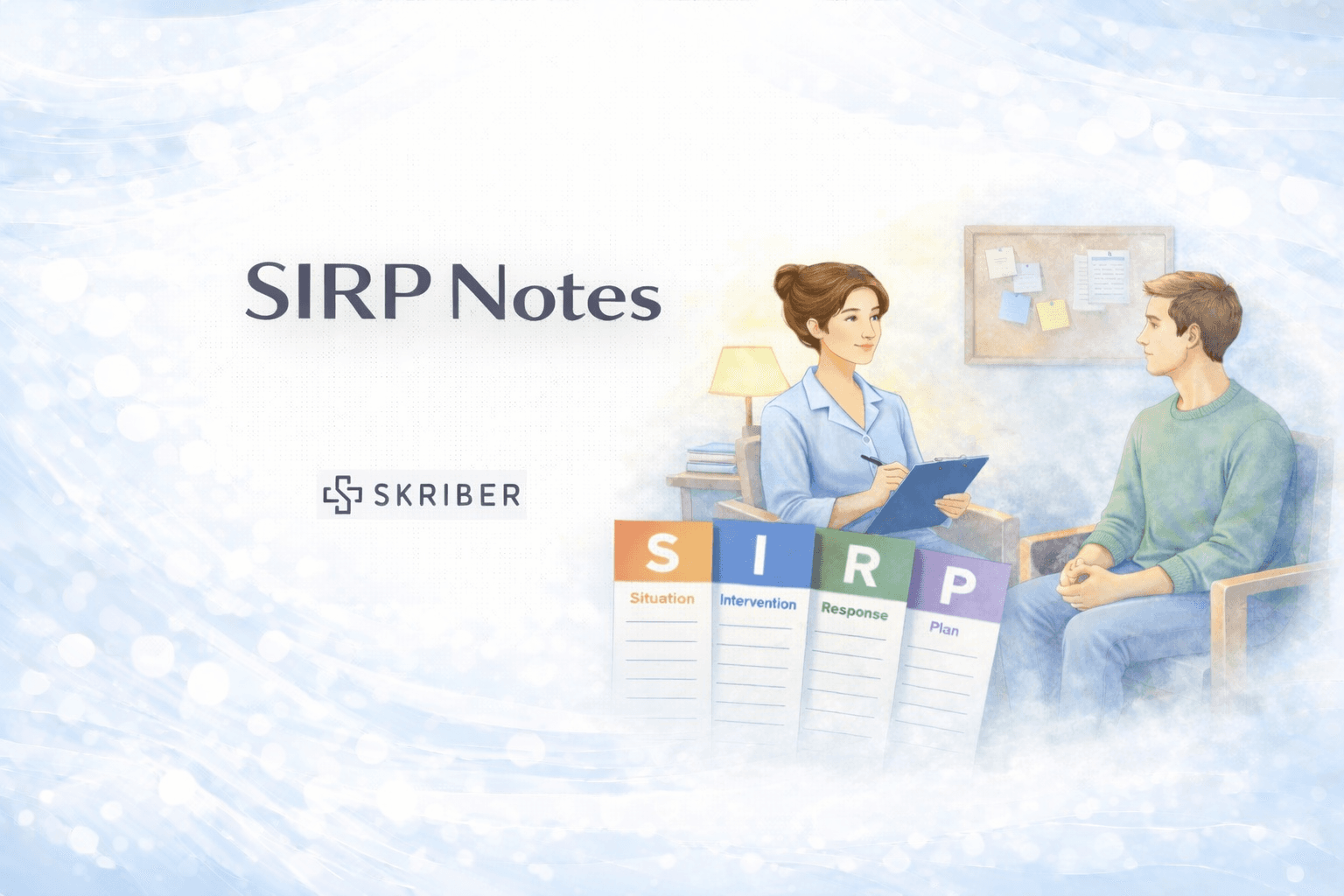
If you work in mental health, you know that note-taking is part of the job. You see clients, you help them, and then you have to write it all down. This can feel like a burden....
Writing notes during or after a therapy session can feel like a lot of work. We spend our days connecting with people, listening to their deepest struggles, and helping them fin...
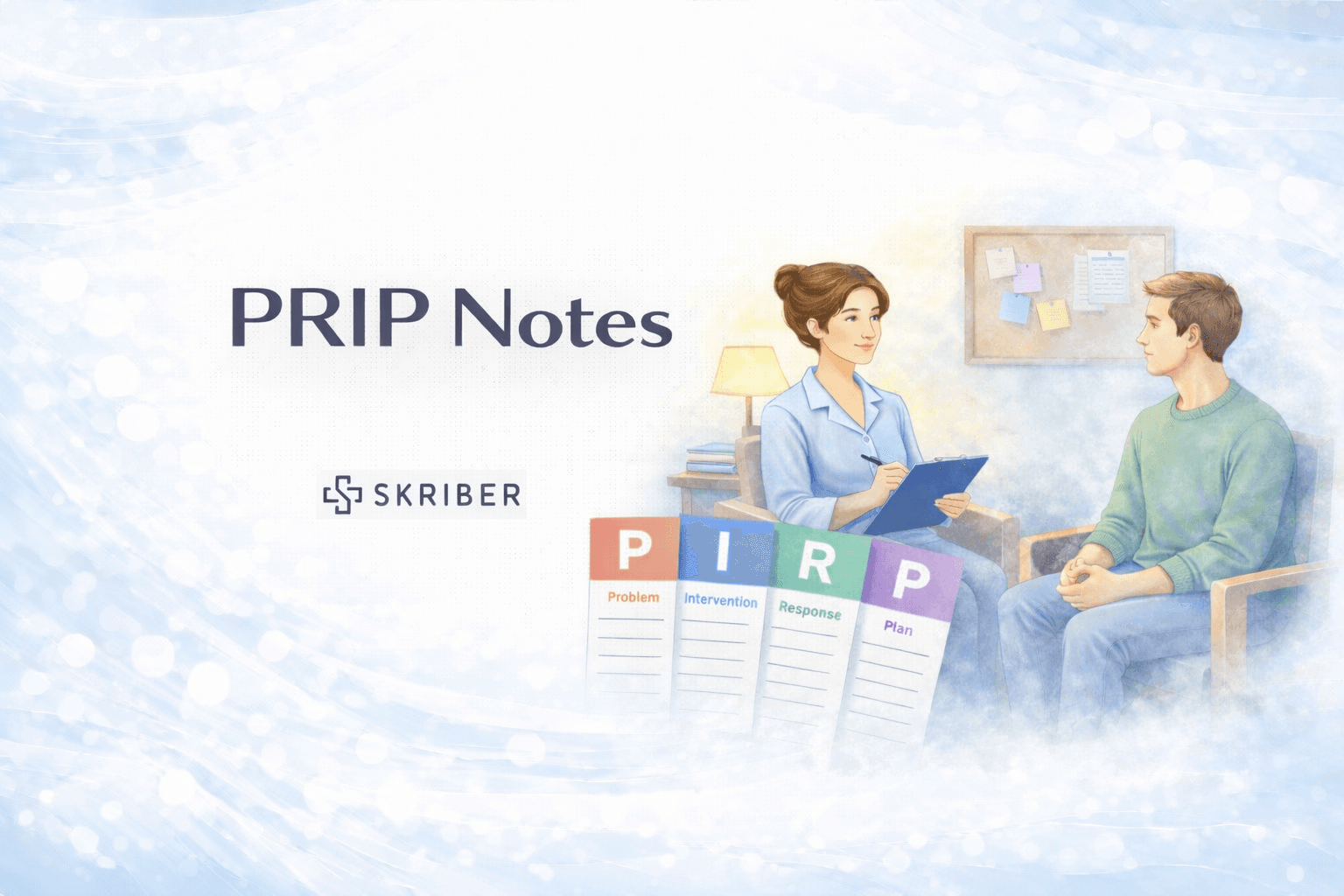
Clinical documentation is often the most dreaded part of our work. You finish a meaningful session, and then comes the blank screen, the mental block, and the pressure to produc...
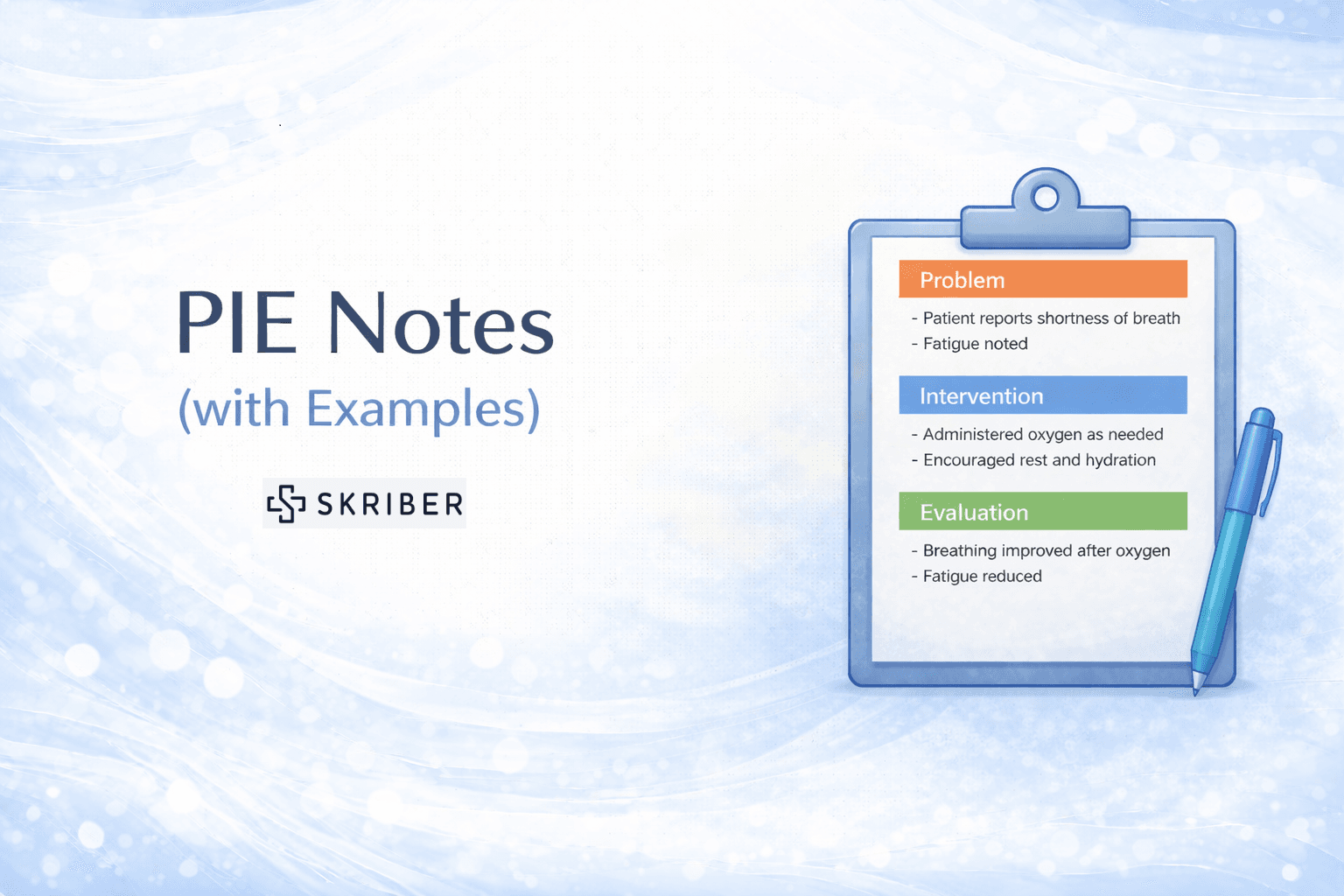
Let’s be honest for a second. How do you feel when you have to sit down and write your progress notes at the end of the day? For many of us, it can feel like a chore. We might r...
If you work in healthcare, you know that paperwork is a big part of the job. One of the most important pieces of paperwork we write every day is the progress note. A progress no...
As a clinician, I know that writing notes is probably not your favorite part of the job. It can feel like a tedious task that takes you away from your clients. But good notes ar...
As clinicians, we chose this path to help people. We want to listen to our clients, help them work through their problems, and celebrate their progress. But for many of us, ther...
A doctor’s note is a short medical document written by a doctor or another licensed healthcare professional. It explains a patient’s health condition in simple terms and may rec...
Writing nursing notes is a big part of every psychiatric nurse's day. Some nurses enjoy the documentation process. Others find it tedious and put it off until the end of their s...
If you work with patients, you deal with anxiety every single day. It hides behind headaches. It fuels high blood pressure. It ruins sleep. And often, patients do not know how t...
As medical professionals, we spend a lot of time focusing on the beginning of a patient's journey with us: the admission note, the history and physical, the initial orders. But...

If you work in Applied Behavior Analysis (ABA), you have probably heard the saying: “If it isn’t written down, it didn’t happen.” This is the golden rule of our field. We spend...
If you work in healthcare, whether you're a psychiatrist, nurse, a medical student, a resident, or a social worker, you've probably heard the term "Mental Status Exam" or "MSE."...
Have you ever had a patient try to describe their pain, and it just comes out as a confusing jumble of words? They might say, "It just hurts, doc. It's a bad one." As healthcare...
As clinicians, we are always looking for tools that help us understand our patients better. We need ways to measure what they are feeling, especially when those feelings are har...
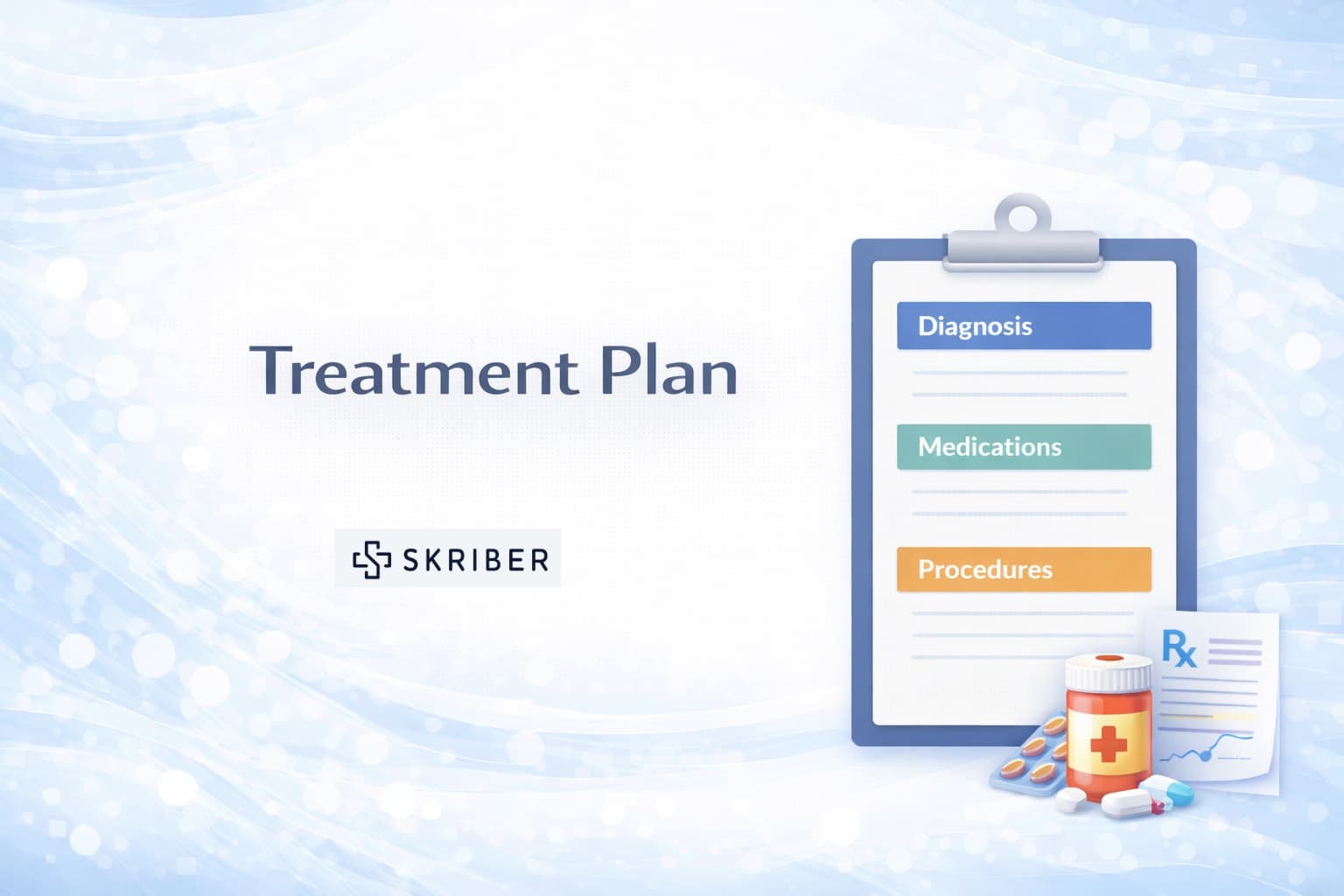
Whether you're a therapist, a social worker, a nurse, or a doctor, you write treatment plans. It might feel like just another piece of paperwork, a checkbox to please the insura...
Trauma is one of the most common reasons people seek therapy, counseling, and mental health support. Many clients experience trauma from childhood, relationships, accidents, vio...
As a medical professional, I understand that we often rush through the "SocHx" portion of our H&P. We might jot down "smokes, drinks, lives with wife" and move on. But in modern...

Why SAMPLE History Matters If you work in healthcare, you know that time is often not on your side. Whether you are in an emergency room, an ambulance, or a clinic, you need to...
Why Asking the Right Questions Matters As medical professionals, we know that a patient's story holds the answers. Often, the key to diagnosis lies not in the first test we orde...

Being a psychiatrist is tough. You listen, you care, you solve deep problems. But then comes the paperwork. Notes, treatment plans, progress summaries. It takes hours. Time you...
Think of vital signs as the body's most basic news report. Before a patient says a word about their headache, before we see an X-ray, or before we get blood test results, the vi...
As healthcare professionals, in our work, we see many patients struggling with anxiety. It is a common condition. It can be hard to treat. Good notes are our best tool. They hel...
If you work in healthcare, you know that good communication is everything. What we write in a patient's chart is a crucial part of that communication. It keeps the whole team on...
As healthcare professionals, our primary mission is clear: to understand our patients and guide them toward better health. Yet, in the whirlwind of a busy shift, be it in a bust...
When a patient comes to you, they bring more than just a symptom. They bring a story. This story holds the key to understanding what is wrong. The most advanced scans and lab te...

As healthcare continues to change, the smooth flow of information is not just a convenience; it’s an important component of patient safety, provider satisfaction, and operationa...
Today, we are going to talk about one of the most important parts of our job. It is not a new machine or a complex test. It is something we do every day: taking a patient's past...
Tired of spending hours each night writing notes instead of being with family? You’re not alone. Doctors, therapists, and medical practitioners across every specialty are drowni...
Let's talk about depression. It's not just feeling sad for a day. It is a real medical condition. It affects how you feel, think, and act. It can make everyday tasks feel very h...
In healthcare documentation, the most valuable currency isn't money; it's time. The new integration between Skriber and eClinicalWorks directly deposits hours back into the work...
Introduction: Seeing the Whole Person When a patient walks into your office, what do you see? You see their symptoms. You hear their complaints. But is that the whole story? For...
Imagine you walk into a doctor’s office. You are feeling sick. You have many things to say. Your head hurts. Your stomach feels strange. You have been tired for weeks. Where do...
The History of Present Illness (HPI) is the heart and soul of any medical visit. It’s a detailed, chronological narrative of the problem that brought the patient in. It’s not ju...
What is an H&P, and Why is it So Important? Imagine you are a detective. A crime has happened, and you are called to the scene. You wouldn't just guess who did it. You would loo...
Progress notes are a part of everyday clinical work. They tell the ongoing story of a patient’s care and progress. A strong note is clear, accurate, and easy to understand. It h...
AI medical scribes have moved from early experimentation to everyday clinical tools. In 2026, clinicians are no longer asking whether to use an AI scribe, but which one truly fi...
Psychiatry notes are one of the most important tools in mental health care. They help psychiatrists record patient symptoms, clinical thinking, treatment decisions, and progress...
SOAP notes are one of the most widely used clinical documentation formats in healthcare. They help professionals record patient information in a clear, logical, and structured w...
SOAP notes are one of the most important documentation tools used in physiotherapy practice. They provide a clear and structured way to record patient information, clinical find...

SOAP notes are a simple and clear way to document patient care. In acupuncture practice, SOAP notes help track symptoms, treatment points, patient response, and progress over ti...
Asthma is a long-term breathing condition that affects the airways of the lungs. People with asthma have sensitive airways that can swell, tighten, and produce extra mucus. This...
Orthopedic care focuses on bones, joints, muscles, ligaments, and movement. Every orthopedic visit depends on clear and accurate documentation. One of the most trusted and widel...
Healthcare work today moves very fast. Doctors, therapists, nurses, and other clinicians must finish many notes every day while also giving full attention to their patients. Bec...
The review of systems , often called ROS , is a very important part of medical and clinical documentation. It helps healthcare providers understand how a patient feels across di...
If you work in healthcare, you already know the problem: you have patients to care for, but you also have charts to finish. Notes take time. Typing is slow. Copy-paste templates...
Musculoskeletal problems are extremely common in everyday clinical practice. Many patients visit clinics for pain in their muscles, joints, ligaments, or bones. Because these co...
Cardiac problems are very common in clinics, hospitals, and emergency settings. Conditions like chest pain, palpitations, shortness of breath, and high blood pressure often requ...
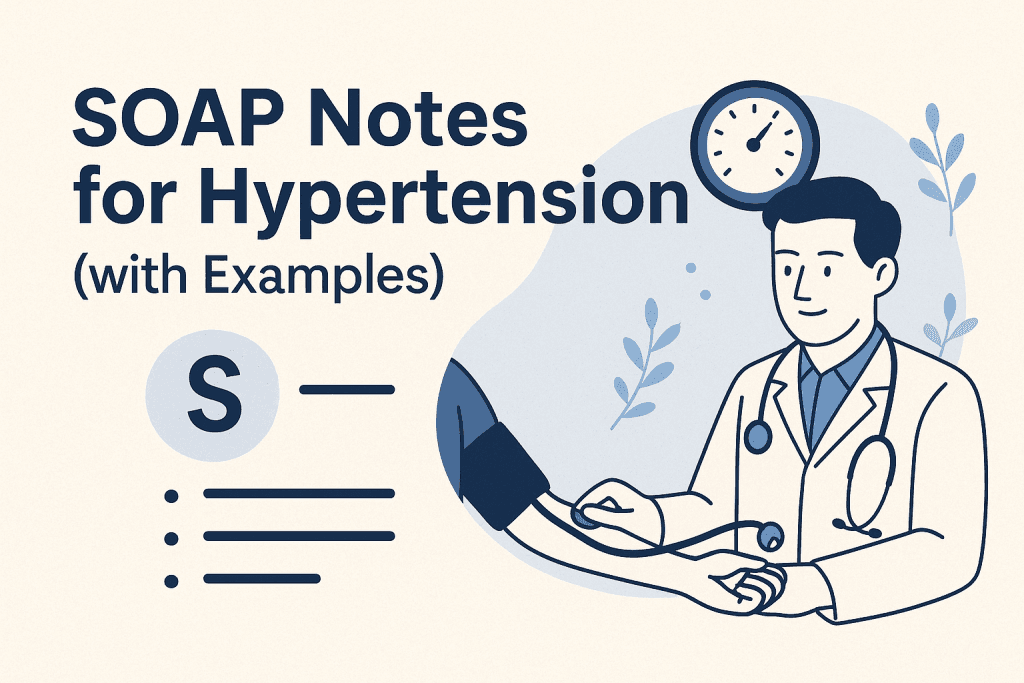
Hypertension, commonly known as high blood pressure, is one of the most widespread health problems worldwide. What makes it especially dangerous is that it often shows no obviou...
Health and mental health professionals write SOAP notes as part of their daily work. These notes help document a client’s condition, track changes over time, and guide treatment...
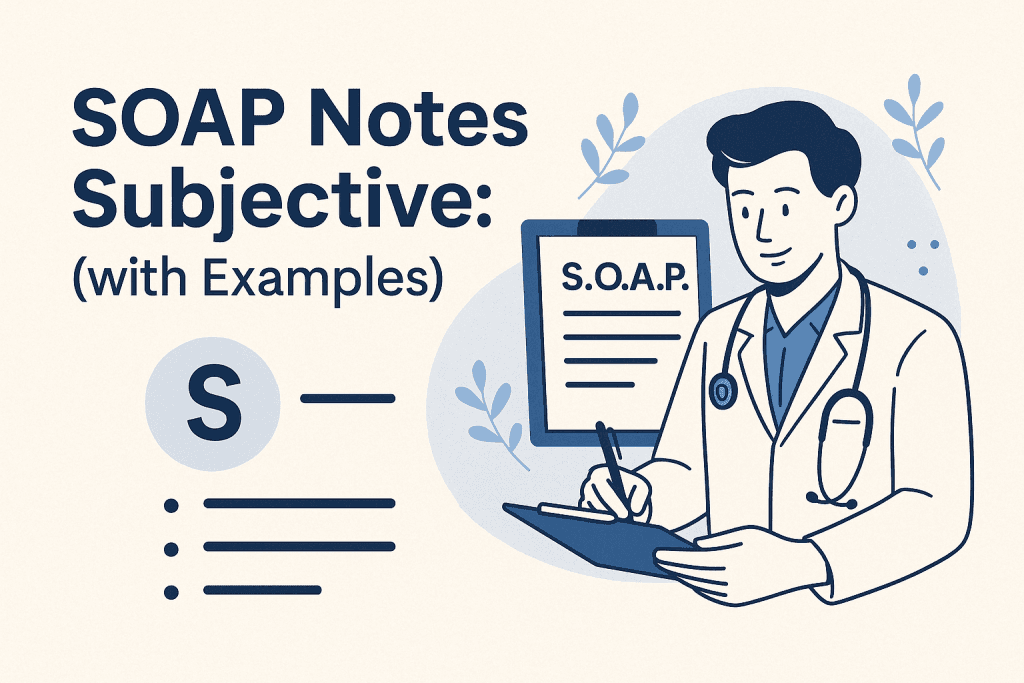
Documentation is one of the most important responsibilities in healthcare, and the quality of those notes can greatly affect treatment decisions, patient outcomes, and clinical...
In healthcare, note-taking is a major part of daily work. Clinicians write notes to understand a patient’s condition, track progress, communicate with other providers, and prote...
Insights from Dr. Connor Yost’s Interview with Healthcare IT Today In a recent interview with Healthcare IT Today , Chief Medical Officer Dr. Connor Yost shared the full story b...
Writing SOAP notes is a daily part of every clinician’s job, but it can also be one of the most time-consuming tasks. Doctors, therapists, nurses, and other healthcare professio...
SOAP notes are a daily part of clinical life. They help you record symptoms, document assessments, and plan treatment in a clear and structured way. Many clinicians today are ex...
Clinical documentation is one of the most important tasks in healthcare. Every patient visit must be recorded clearly, correctly, and on time. Doctors, nurses, therapists, and o...
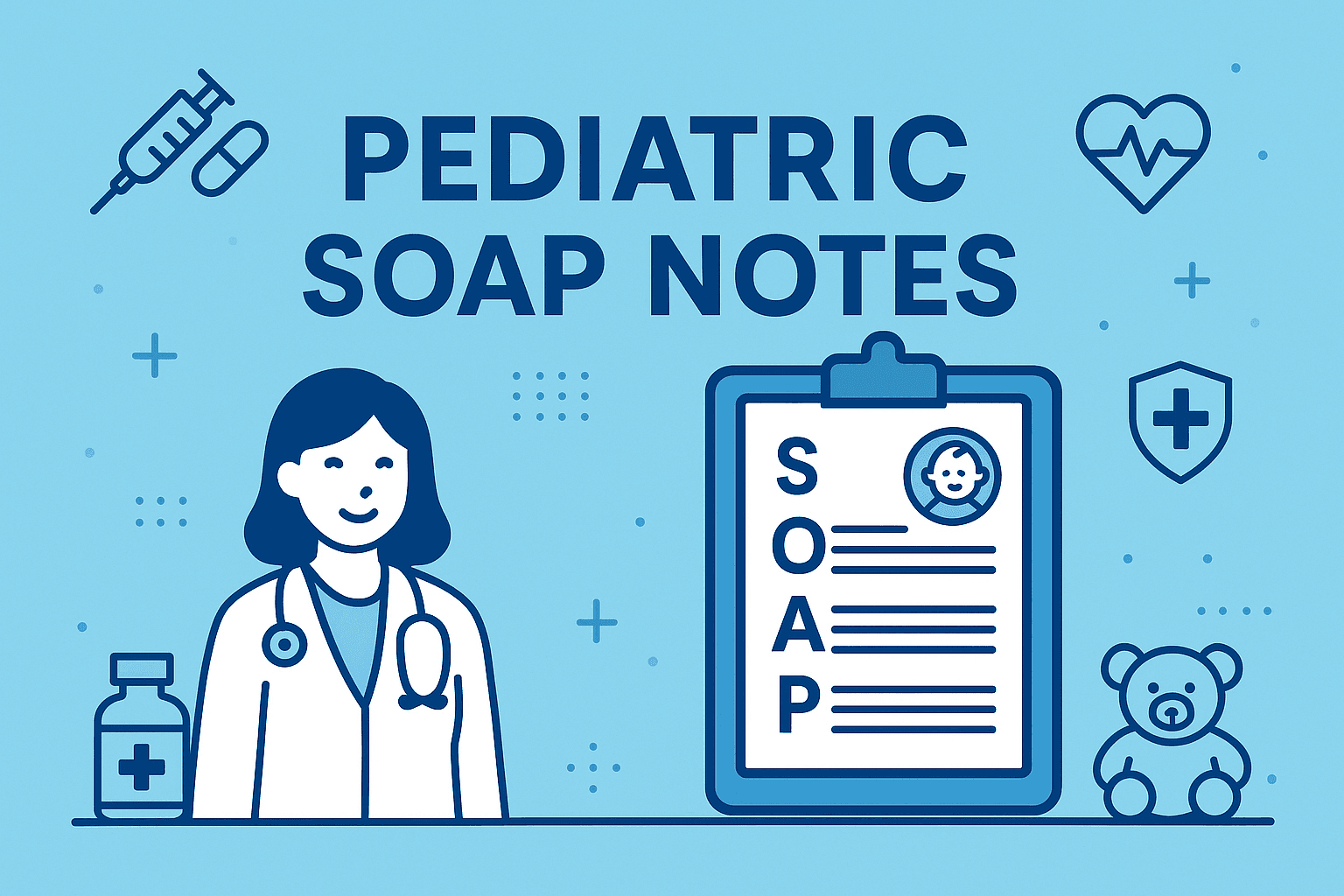
As a pediatrician, you see children of all ages, from newborns to teenagers, and every visit can be very different. One thing, however, should always stay the same: clear and st...
We’re excited to share a major milestone for Skriber: we’ve officially closed our oversubscribed pre-seed funding round, raising $1.3 million to continue our mission of ending d...
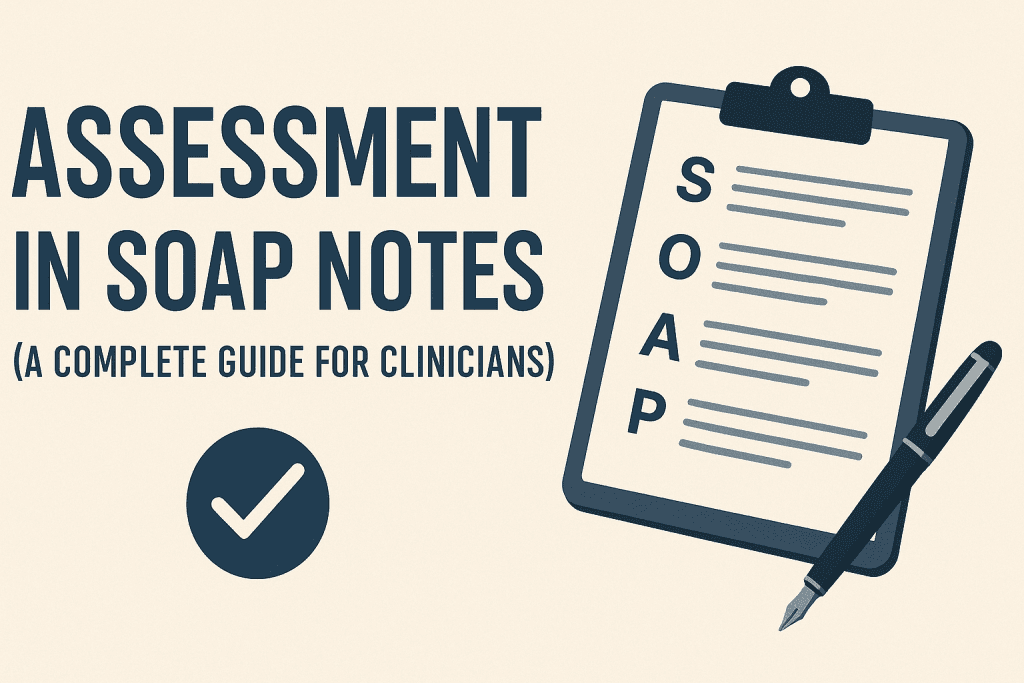
The Assessment section is one of the most important parts of a SOAP note because it shows how you, as the clinician, make sense of all the information from the visit. It is wher...
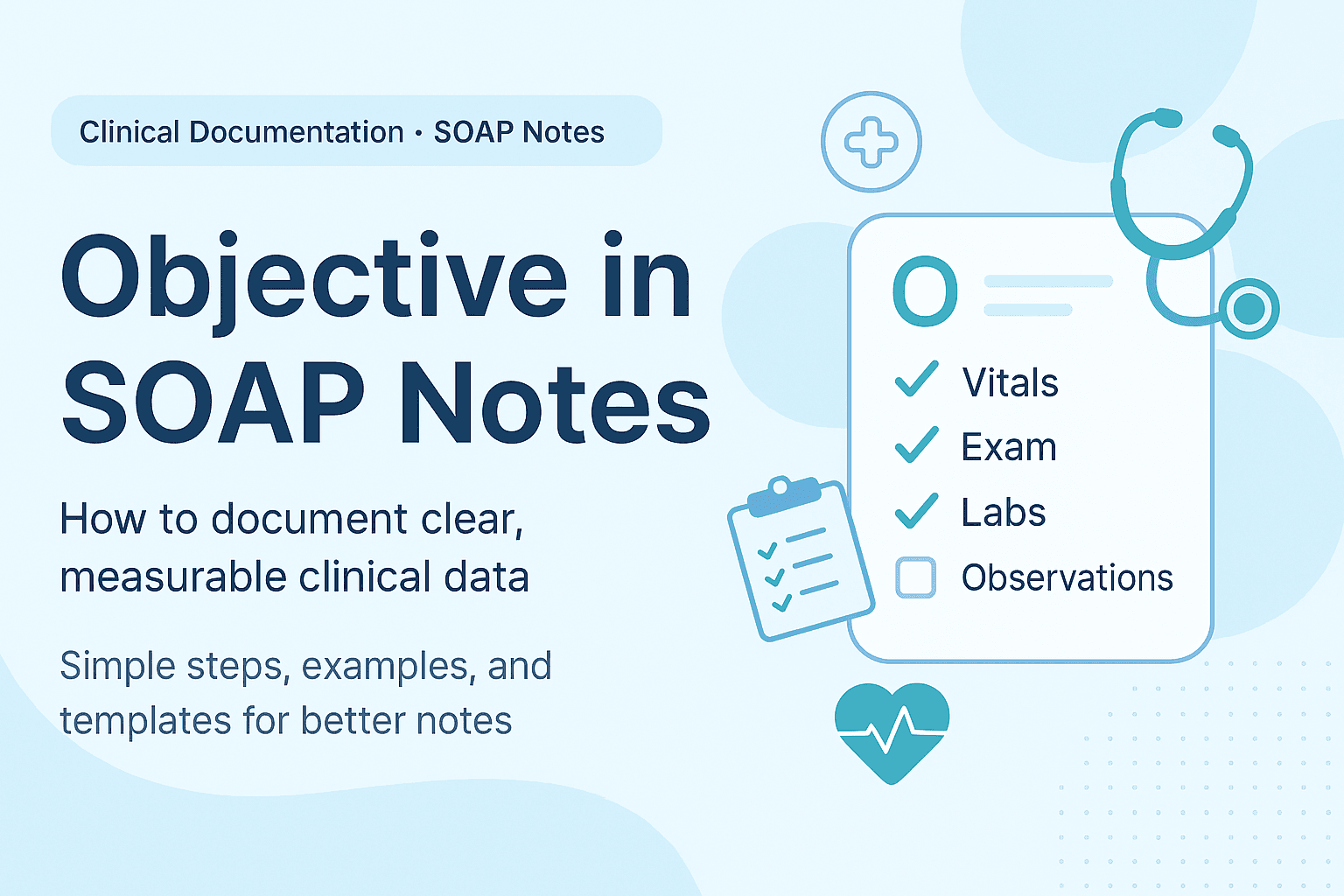
The Objective section in a SOAP note is one of the most important parts of clinical documentation. It contains the facts you can see, hear, measure, or test, and it helps show t...